How to Get Good Internet in an RV
Stay connected at the campsite with these services and technology.
Image Caption: Photo Credit: Thor
Having a fast and reliable internet connection in your RV is no longer a luxury; it is essential. Being able to work from the road is a requirement for many RV owners, but even if you’re not working at the campsite, staying connected brings plenty of other advantages, too. Not only is it a great way to stay in touch with friends and family, it also allows you to more easily plan your travel route, research things to see and do along the way, and book campgrounds on the fly. You can stream movies, music, and TV shows, play online games, post to social media, and so much more. Thankfully, there are now more ways than ever to get internet in an RV. Here’s how to do just that.

Image Courtesy of welcomia/Getty
Wireless Campground Connections
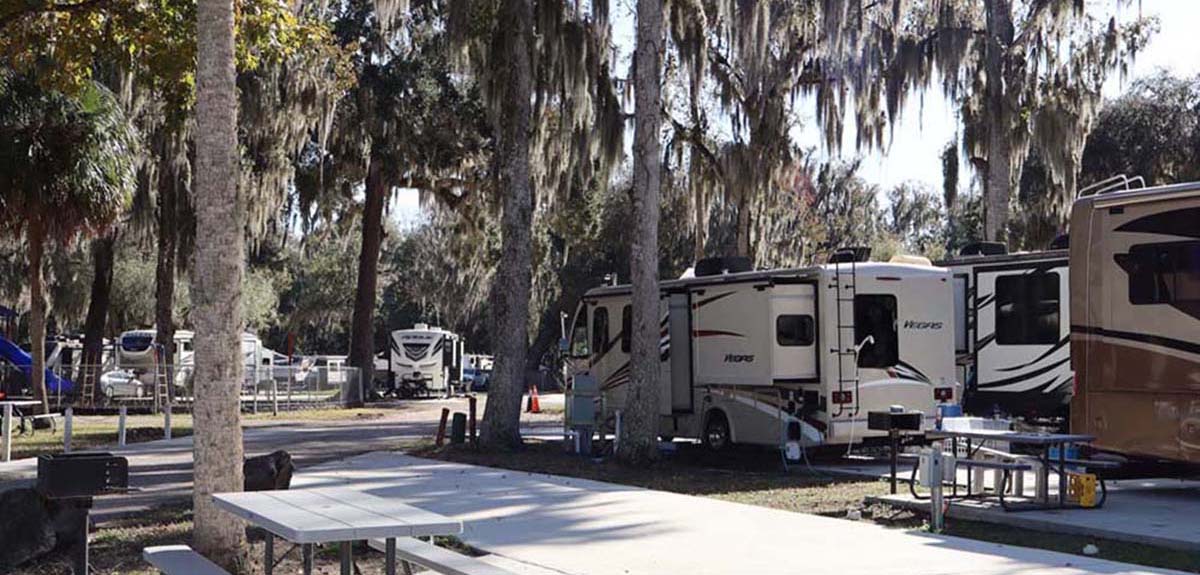
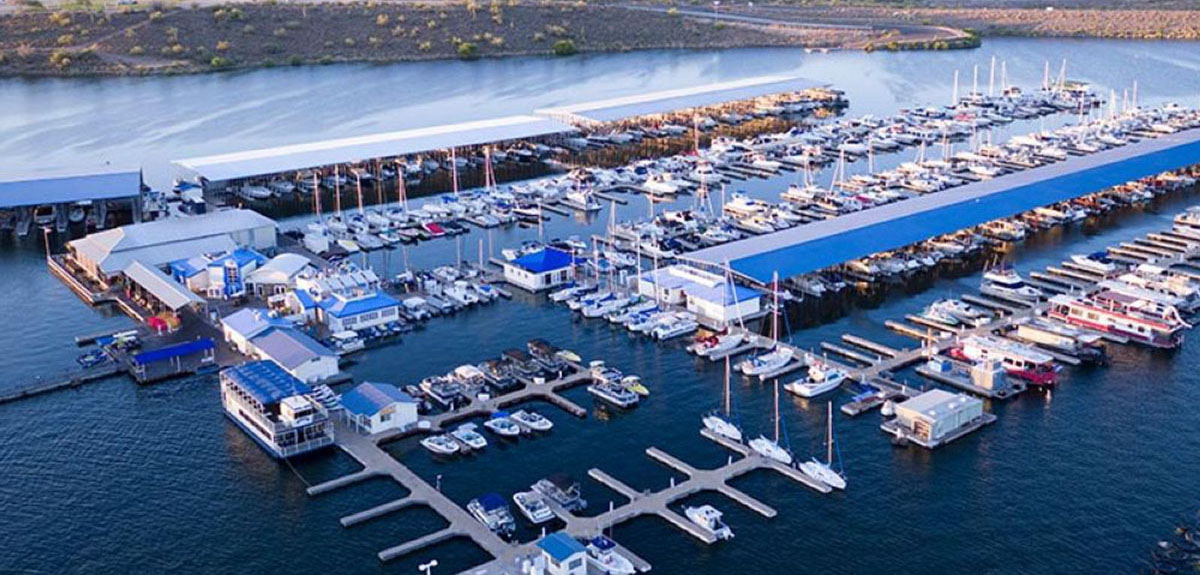
There was a time not so long ago when finding a campground with an internet connection was somewhat rare. And when you did book a campsite that included internet, it was often slow and unreliable to the point where it was often unusable. Today, most RV resorts now offer wireless internet as an included service, allowing guests to easily connect their devices using a shared login, making it much easier to get online while traveling.
The good news is that these modern connections are faster and more reliable than in the past, making them a more dependable option while camping. That said, the connection is generally still shared with everyone at the campground, which means speeds will be noticeably less during the busiest times of the day. Also, the wireless routers used to provide the connection may not offer the same coverage throughout the resort, particularly at campsites near the edge of the property. Still, this is a viable way to get internet to your RV, often without having to pay additional fees beyond your campground reservation.
Note: Adding a WiFi extender or booster to your RV may enhance a campground’s connection, making giving it a boost in speed and reliability.
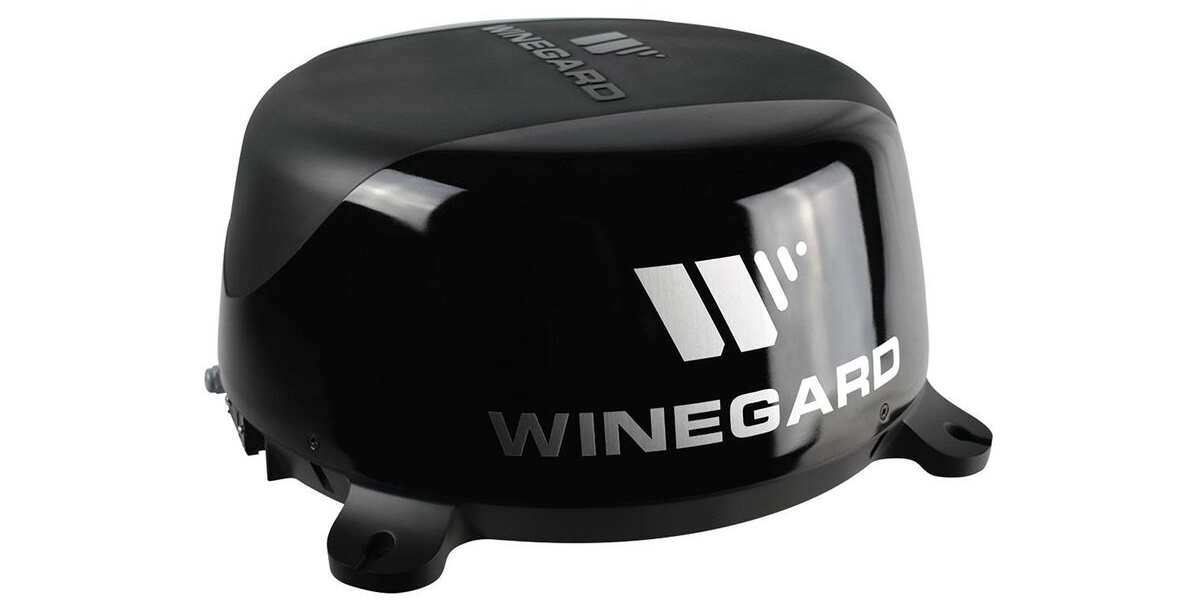
Image Courtesy of Winegard
Cellular Internet Routers
Many RVs now come with a built-in wireless router that connects to a cellular 5G or LTE network to provide internet service. Usually, these devices have a SIM card (physical or electronic) like the one found in your cell phone that connects to data networks offered by Verizon, AT&T, and T-Mobile. RV owners simply activate an account with a cellular provider, and the router connects to the network and provides a wireless signal for use in the vehicle, much like how they connect to their router at home.
Modern cellular data networks can be very fast and efficient, depending on your location. This type of connection has the added benefit of not being shared with everyone else at the campground, which means it isn’t likely to degrade in quality as others nearby get online. But, cellular connections aren’t always available, particularly when boondocking or overlanding. You’ll also have to pay a monthly fee for the service, which may or may not be worth it depending on how often you travel in your RV.

Photo Credit: TravelFi
Cellular Hotspots
If your RV doesn’t come with a built-in wireless router, and adding one feels like too much of a hassle, you can always purchase a cellular hotspot from any of the major cell phone companies. A hotspot functions much like the wireless router mentioned above, creating a connection to the Verizon, AT&T, or T-Mobile data network, then sharing that connection via standard WiFi. It is a quick, painless way to add internet to an RV, with the flexibility of being able to take the hotspot with you when traveling by car, train, plane, or even on foot. Of course, this type of connection is subject to the same challenges as mentioned above, including requiring a cell network to function.
One of the best options for this type of device is the TravlFi JourneyGo 5G Hotspot. This unit connects to both 5G and 4G LTE networks for added flexibility and uses eSIM technology to allow access to multiple networks, greatly expanding its coverage area. Data plans are also very RV-friendly, allowing users to activate and deactivate coverage as needed with no contracts or additional fees. The device sells for $299 and includes a rechargeable power cell with up to 24 hours of battery life. Plans start at $19/month.
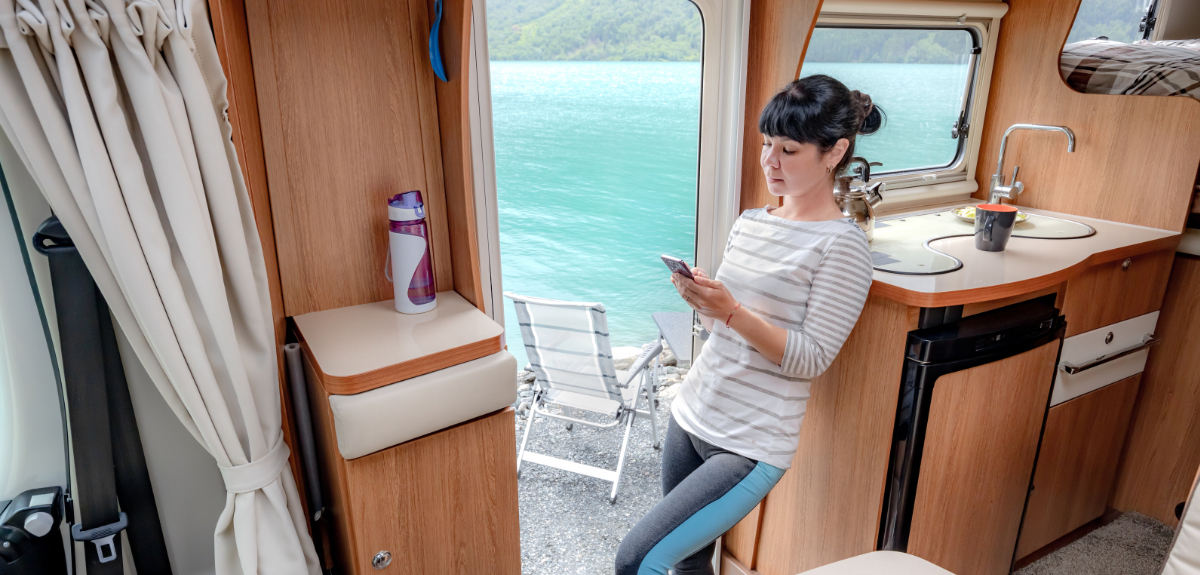
Photo Credit: cookelma/Getty
Smartphone as a Hotspot
Depending on your cell phone plan, you may not even need to buy a standalone hotspot to connect your other devices to your carrier’s data network. Most cell service plans allow users to use their phones as a hotspot, tapping into the data they’re already paying for. With unlimited data a common option now, this is a good way to provide an internet connection to a laptop, tablet, game console, or even a smart TV.
Whether using your phone as a wireless hotspot is your RV’s primary internet connection or a backup for other services, there are a few things to keep in mind. First, even if your provider offers unlimited data, it’s likely you’ll hit a download cap that could result in throttled download speeds. You’ll want to check the fine print on your contract to find out how much data is included before the cap kicks in. Also, using your phone as a hotspot puts a significant hit on its battery, so you’ll want to make sure it is plugged in when utilizing this type of connection. And once again, cellphone network coverage dictates speed, reliability, and accessibility.
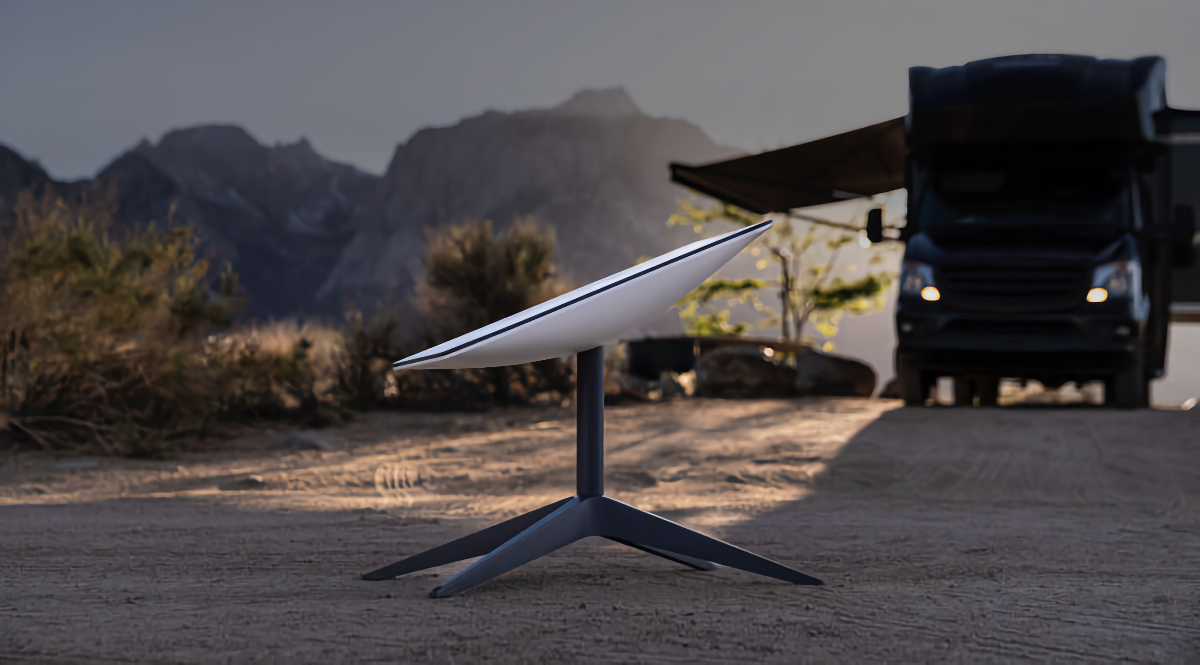
Image Courtesy of Starlink
Satellite Internet
Satellite internet has been around for quite a while, but over the past few years it has gotten much faster and more reliable. This type of service tends to be more expensive than a cellular connection, but it usually works anywhere you can get a clear view of the sky. And while data speeds aren’t nearly as high as the fastest 5G connections, on average the two technologies are fairly comparable.
Starlink is the most prominent satellite internet provider at the moment, which is why it has become very popular with RVers. The service offers speeds of up to 300Mbps, making it plenty fast for most internet activities, including streaming and online gaming. The company offers multiple options for hardware and service plans, so be sure to check out its website for the latest pricing. Many RV manufacturers even offer Starlink as a standard feature or an available upgrade from the factory, which is a testament to how popular it has become.
Overlanders and boondockers definitely love satellite internet, as it allows them to get online nearly anywhere they might wander. As mentioned, this type of service does need a clear view of the sky, which means it doesn’t work well—or at all—under tree cover. But if that isn’t a hindrance, you can get residential-like internet performance even when camping way off-grid.
Note: Not a fan of Starlink? There are alternative options on the way in the near future, with some promising faster download speeds and better all-around performance. As always, competition should be good for consumers.
This is an overview of the best options for getting internet in an RV. Which one works best for your needs depends on your budget, where you camp, and your performance and data needs. Thankfully, finding affordable options has never been easier.

Kraig Becker is a writer in the RV, outdoors, and adventure travel space. Over the course of his career he has contributed to such outlets as Popular Mechanics, Outside Online, Business Insider, TripSavvy, Digital Trends, GearJunkie, The Adventure Blog, and countless others. An avid runner and cyclist, he enjoys camping, hiking, mountain biking, kayaking, and just about any other outdoor activity. His travels have taken him to seven continents and on many amazing adventures.