How to Deal with Wildfire Smoke While RVing
Stay safe and healthy with these helpful tips.
Image Caption: Photo Credit: Philip Thurston/Getty
Wildfire season is upon us, with major blazes currently taking place across parts of the US and Canada. Those fires have blanketed large parts of the country in smoke, creating health risks even for people living hundreds of miles away. And while those conditions can be dangerous when you’re at home, they are even more concerning when traveling in your RV. If you’re planning a camping trip soon, here are some tips for dealing with wildfire smoke while RVing.
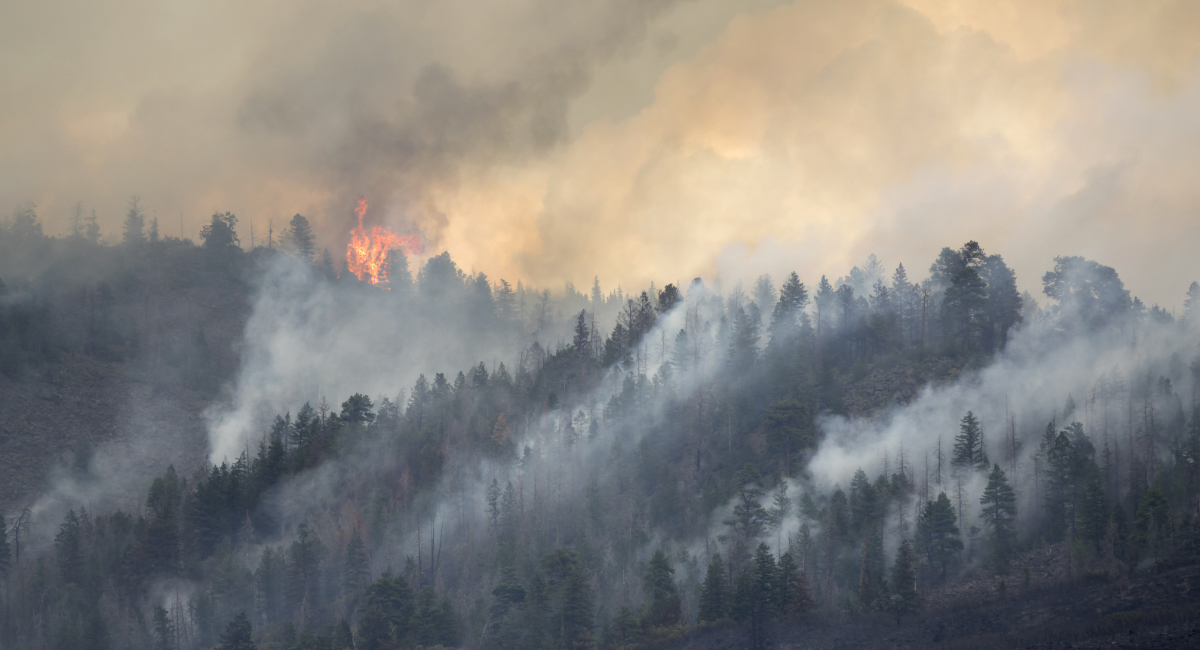
Photo Credit: milehightraveler/Getty
Check Wildfire Locations
Before setting out on a camping trip, be sure to check whether or not wildfires are impacting your destination, either directly or indirectly. There are a number of online resources that show where the fires are taking place, while also highlighting where the smoke from those fires is most prevalent. For instance, the AirNow Fire and Smoke Map is updated in real time, and uses your current location to show wildfire activity across North America. Additionally, the IQAir website shows current air quality levels anywhere in the world and can provide warnings should a city or region fluctuate into unhealthy levels.
Relocate if Necessary
One of the great things about owning an RV is that you can change your plans at the last minute and take your rig to an entirely different location should the need arise. If you find that your intended campsite is now beset with poor air quality or threatened by wildfires, it might be worth considering going somewhere else. Avoiding the smoke and fires altogether is a healthy and smart strategy that can keep you and your traveling companions safe and make the trip much less stressful.
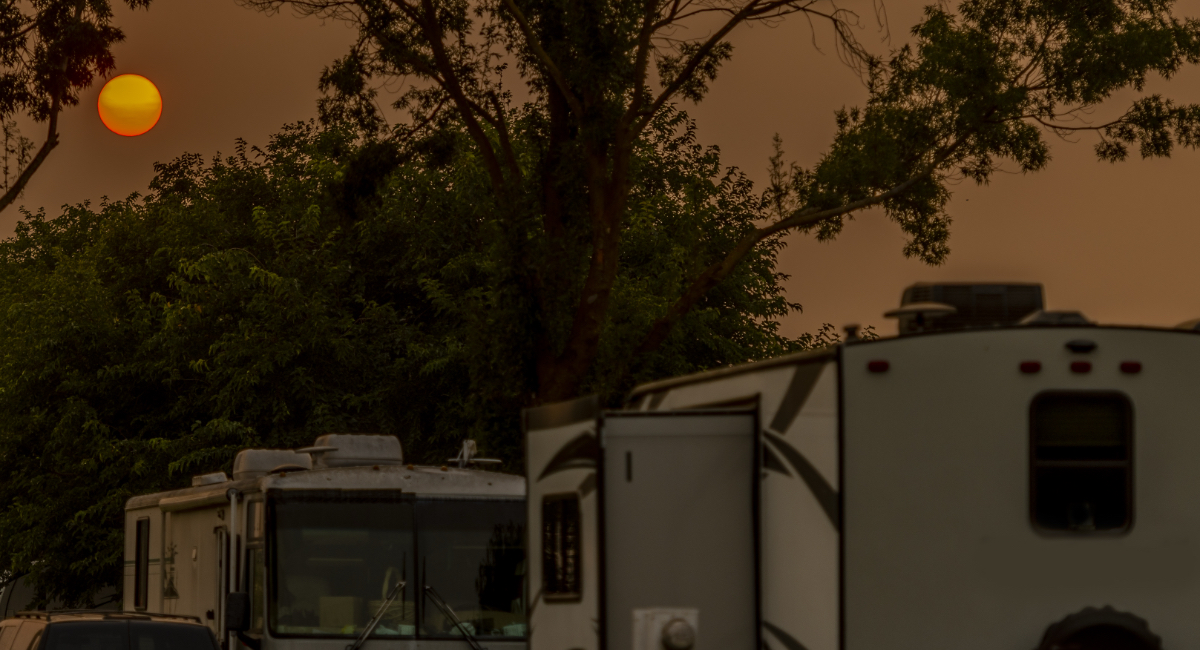
Photo Credit: Larry Crain/Getty
Seal Up Your Rig
If you do find yourself at a campsite that is suddenly overcome with smoke, be sure to close your RV’s windows, doors, and vents. This can help keep smoke from infiltrating the interior of the vehicle, although it probably won’t keep it out entirely. Running an air purifier will also pull smoke, dust, and ash out of the air, helping maintain a safe environment inside the rig.
Sealing up your RV also means setting your A/C unit to recirculate the air inside the vehicle rather than pulling in air from outside. Normally, you want to utilize new air whenever possible to keep the interior feeling fresh, but in this case it is just another way for smoke to get inside. Most modern air conditioners have the ability to switch between normal and recirculation mode, so look for that option when adjusting your settings.
Replace Air Filters
You should be replacing your RV’s air filters as part of your spring maintenance every year, especially if you use your camper regularly. Clean filters will help further filter out smoke, dust, and other debris in the air and will keep your air conditioner running efficiently. If you haven’t replaced those air filters in a while, you’ll certainly want to do so before setting out on your trip. They’re usually inexpensive and take just a few minutes to swap out, so it is definitely worth the time and money for the peace of mind you gain.
Also, don’t forget to change the cabin air filter for your tow vehicle or motorhome. Most manufacturers recommend replacing those filters every 12,000 miles or so, but it might be worth doing it sooner if it has already been a while and you find yourself traveling through a region with low air quality. This will help keep the cabin of the vehicle safer while in transit.
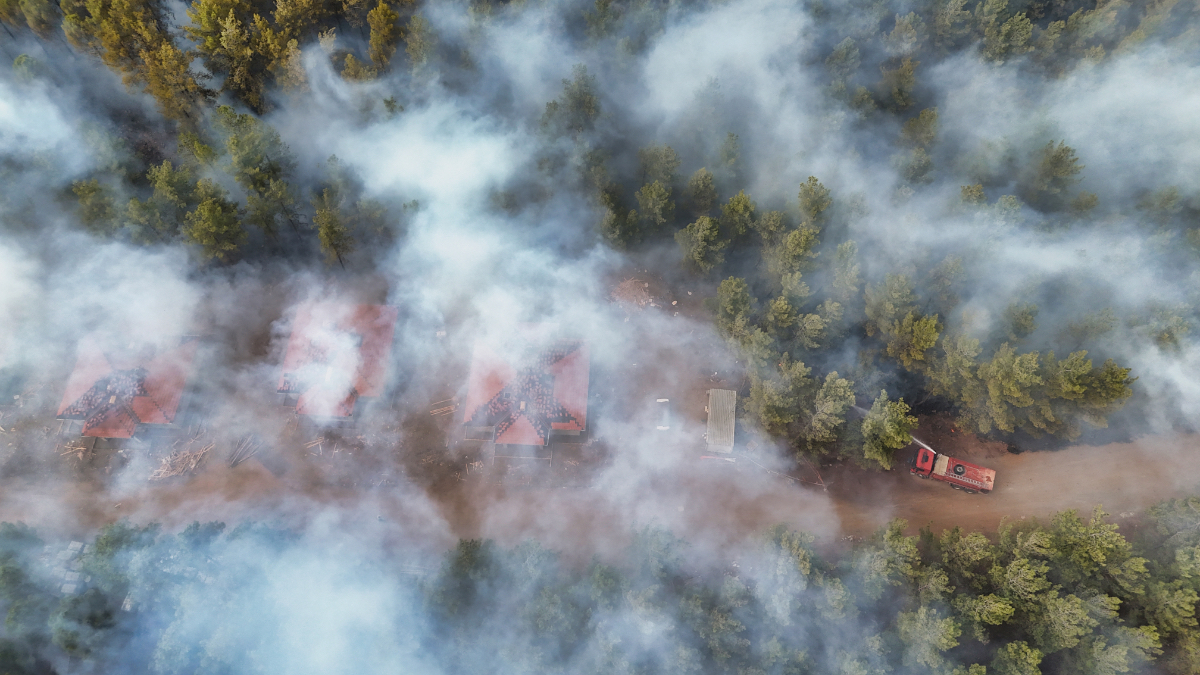
Photo Credit: baranozdemir/Getty
Stay Inside as Much as Possible
While a big part of camping is spending time outdoors, even if it is just relaxing around the campsite, staying inside your RV is the best course of action when air quality levels are poor. Not only is it unhealthy to be outside in smoky conditions, opening and closing the door to your travel trailer or motorhome further allows that smoke inside. The safest thing to do is stay indoors where it is safe and wait for conditions to improve.
If you must go outside, avoid any strenuous activities or exercise. Hiking, running, biking, or other aerobic activities will cause you to breathe heavier, pulling even more smoke into your throat and lungs. Relax, go slow, stay hydrated, and wear an N95-rated mask to help mitigate the effects of poor air quality.
Avoid Campfires and Charcoal Grills
This may seem like it should go without saying, but if you’re camping in an area that is already inundated with smoke, you won’t want to create any more. In some cases, a burn ban may be in place, preventing the use of fire under any circumstances. But even if fires are allowed at the campsite, avoid adding more smoke to the immediate area outside of your RV.
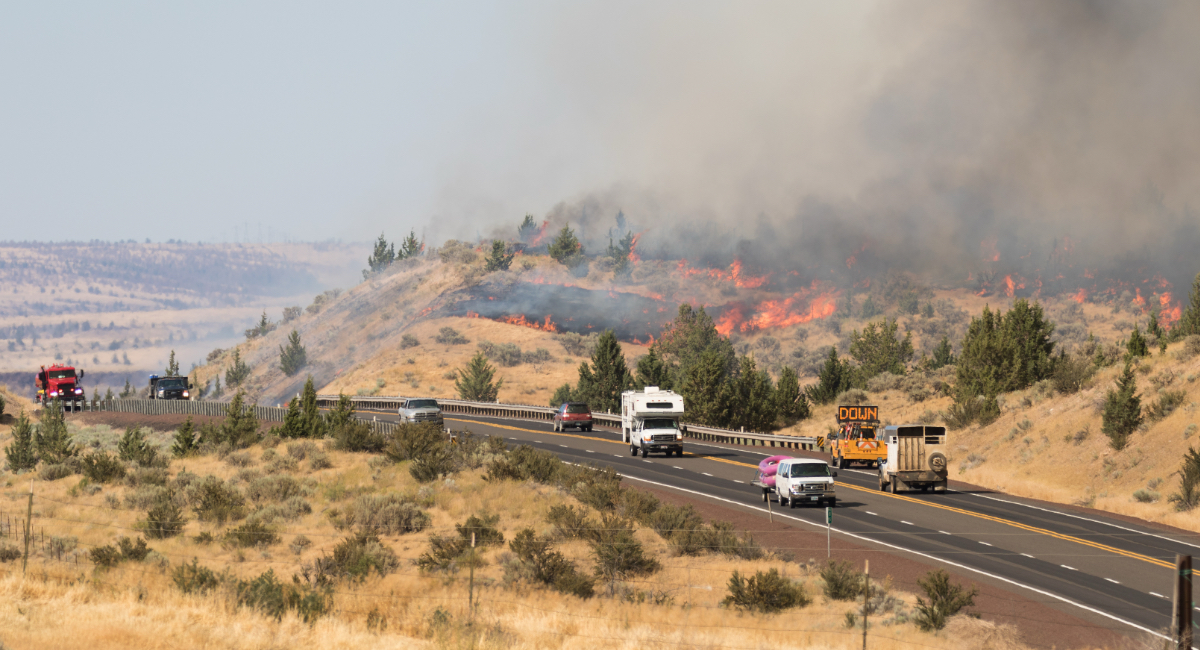
Photo Credit: drial7m1/Getty
Plan an Evacuation Route
If you find yourself camping close to where a wildfire is taking place, be sure to check local maps for multiple ways to evacuate the area. That way, should the fire unexpectedly spread in your direction, you’ll already have a plan in place for where to go. Having different escape routes will keep you safe should you have to bug out in a hurry. And as always, play it safe and don’t hesitate to leave your campsite if there are any safety concerns at all.
Monitor the Conditions
Much like keeping an eye on the weather, staying informed of changing wildfire and air quality conditions is also essential to staying healthy and safe. Use your smartphone or other electronic devices to keep in touch with friends and family, and to monitor the situation. In most cases, air quality will improve after a day or two, allowing you to resume your normal camping activities. But if those conditions don’t improve, it is once again time to consider relocating to some place safer and smoke free.
Staying connected with current conditions can also alert you to wildfires shifting direction. If those fires are getting too close for comfort, be sure to leave the campsite well before the situation turns dire. Follow your planned evacuation route and make your way to safety in an orderly fashion. Yes, cutting a camping trip short can be disappointing, but it is always better to be safe than sorry. And as noted above, you may be able to simply relocate to some place safer and continue enjoying your travels.
Follow these rules, and you should stay safe from both smoke and wildfires. While many of the tips above may seem like common sense, it is always good to keep them in mind when RVing during wildfire season. The goal is to stay safe, stay aware, and avoid any risky situations. There will always be more opportunities to camp and travel in the future.

Kraig Becker is a writer in the RV, outdoors, and adventure travel space. Over the course of his career he has contributed to such outlets as Popular Mechanics, Outside Online, Business Insider, TripSavvy, Digital Trends, GearJunkie, The Adventure Blog, and countless others. An avid runner and cyclist, he enjoys camping, hiking, mountain biking, kayaking, and just about any other outdoor activity. His travels have taken him to seven continents and on many amazing adventures.