What are Self-Heating Batteries and Do You Need Them in Your RV?
Battery tech continues to evolve, delivering a better camping experience along the way.
Image Caption: Photo Credit: Renogy
We’ve witnessed a battery revolution over the past few years, as lithium power cells replaced lead-acid batteries in our RVs. Sure, lithium models cost more than traditional AGM options, but they make up for the difference in price by being lighter, safer, more resilient, and having a much longer lifespan. They even offer better performance in cold weather, although lithium cells aren’t without their challenges when the mercury begins to drop. But thanks to self-heating batteries, this is quickly becoming less of an issue, too.
So what exactly are self-heating batteries, how do they work, and more importantly, do you need them in your RV? Read on to find out.
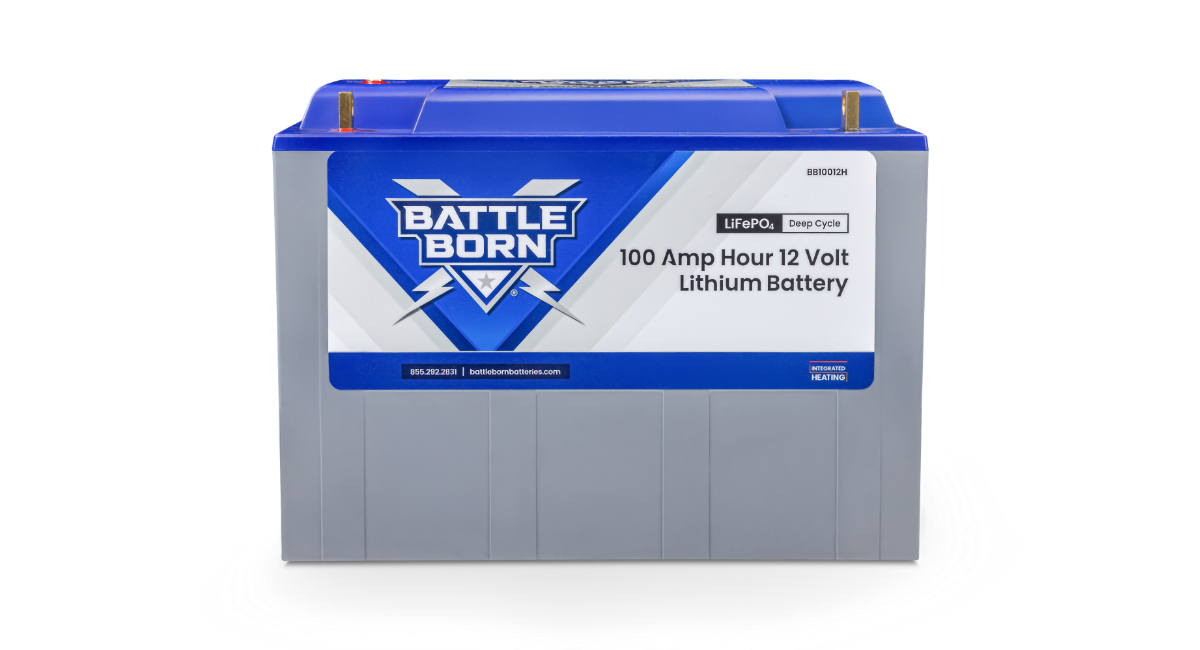
Photo Credit: Battle Born
What are Self-Heating Batteries?
As the name implies, self-heating batteries are power cells that are capable of maintaining an optimal temperature under their own power. This greatly extends their capabilities in cold conditions, allowing them to charge at a normal rate while minimizing—or eliminating—any loss of capacity due to a drop in temperature.
Regular lithium batteries operate most efficiently in temperatures ranging from about 60ºF to 95ºF, although they will continue to charge normally from 32ºF to 131ºF. That’s a pretty wide operating range that meets the needs of most people. But if you like to camp in the winter or even early spring or late fall, you may experience temperatures that fall below the freezing mark. This can cause a substantial drop in performance and could even potentially harm the battery.
To avoid any permanent damage, lithium battery manufacturers usually include a battery management system (BMS) that prevents charging if the power cell is too cold or too hot. Once the battery returns to its optimal temperature range, it starts to function normally, without a loss in capacity or charging speed. But a self-heating model keeps working, even in very cold conditions.
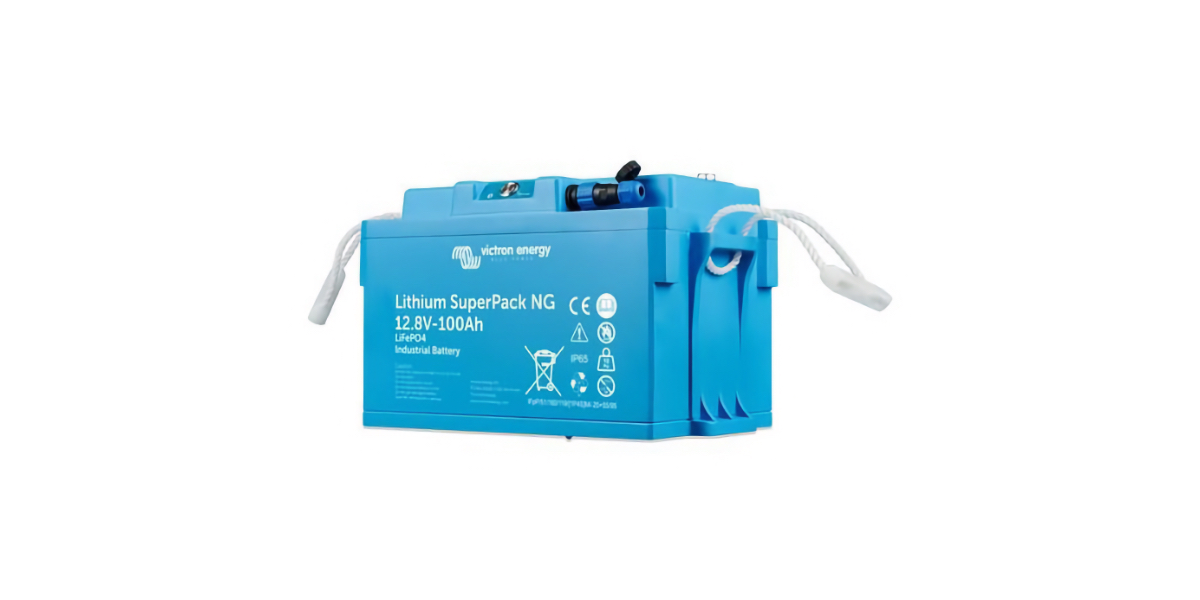
Photo Credit: Victron
How Does a Self-Heating Battery Work?
In addition to having an onboard BMS, self-heating batteries also come with additional technology to improve functionality in cold weather. That starts with built-in sensors that monitor the temperature of the power cell. If those sensors detect that the battery’s temperature is getting too low, the BMS activates an integrated heating element that utilizes a small amount of power to warm the lithium cells. This helps keep it at an optimal operating temperature at all times, preventing a drop in capacity and avoiding potential permanent damage.
Each individual battery performs a bit differently based on the manufacturer’s specifications and settings. But most self-heating batteries activate their heating elements as the temperature approaches 40ºF, allowing them to start the warming process well before reaching the freezing point. Obviously, some power is required to activate the heating process, so it is important to not drain the battery fully. That said, some self-heating models do keep a small portion of their charge in reserve—typically 3%-5%—just to avoid such circumstances.

Image Courtesy of Arina P Habich/Shutterstock
Should You Add Self-Heating Batteries to Your RV?
All of this brings us to the question of whether or not you should upgrade to self-heating batteries in your rig. If you’re a fair-weather camper who doesn’t venture out in cold conditions, the quick and easy answer is probably no. While adding these types of power cells will certainly provide a safety net should you find yourself in unexpectedly cold weather, investing in new power cells for those rare occasions isn’t necessary.
On the other hand, if you do like to camp all year round and find winter adventures enticing, self-heating batteries seem like a no-brainer. They’ll provide better, more reliable performance in a range of conditions and ensure you won’t run out of power when you need it most. In those circumstances, this type of battery technology can be a real game changer.
If you’re preparing to upgrade the batteries in your rig, then going with self-heating models also seems like a good idea, even if you don’t plan to go camping in the winter. Yes, these types of power cells are more expensive, but usually not prohibitively so. And the improved performance and reliability that you get definitely make them worth considering, especially since a typical lithium battery can last up to ten years. Over that time, there will be at least one or two outings when the temperature could drop unexpectedly and you’ll be glad you have the added performance to keep your RV running. And who knows, as winter camping continues to grow in popularity, you may find yourself embracing the year-round RVing lifestyle.
Self-heating batteries have been around for a few years now, but have recently become more widely available from a broader range of manufacturers. That has helped to bring costs down, making them a more affordable option for RVers. And as the technology continues to improve, the cost differences compared to standard lithium power cells will likely be completely negligible, at which point they will probably become the de facto standard in all RV configurations. For now, though, they are a great upgrade for those who need them and those who are looking to future-proof their rigs.

Kraig Becker is a writer in the RV, outdoors, and adventure travel space. Over the course of his career he has contributed to such outlets as Popular Mechanics, Outside Online, Business Insider, TripSavvy, Digital Trends, GearJunkie, The Adventure Blog, and countless others. An avid runner and cyclist, he enjoys camping, hiking, mountain biking, kayaking, and just about any other outdoor activity. His travels have taken him to seven continents and on many amazing adventures.