How to Improve RV Gas Mileage
Improve your driving range and save money at the pump with these helpful tips.
Image Caption: Photo Credit: AscentXmedia/Getty
Whether you’re driving a motorized coach or pulling a towable, one of the most common questions that owners have is how to improve RV gas mileage while out on the road. At times, that can feel like a challenging puzzle to solve, but as it turns out, there are a few things you can do to help extend the range of your vehicle and potentially save yourself some money at the pump at the same time. Here are a few ways to ensure your rig is as efficient as possible when setting out on your next trip.
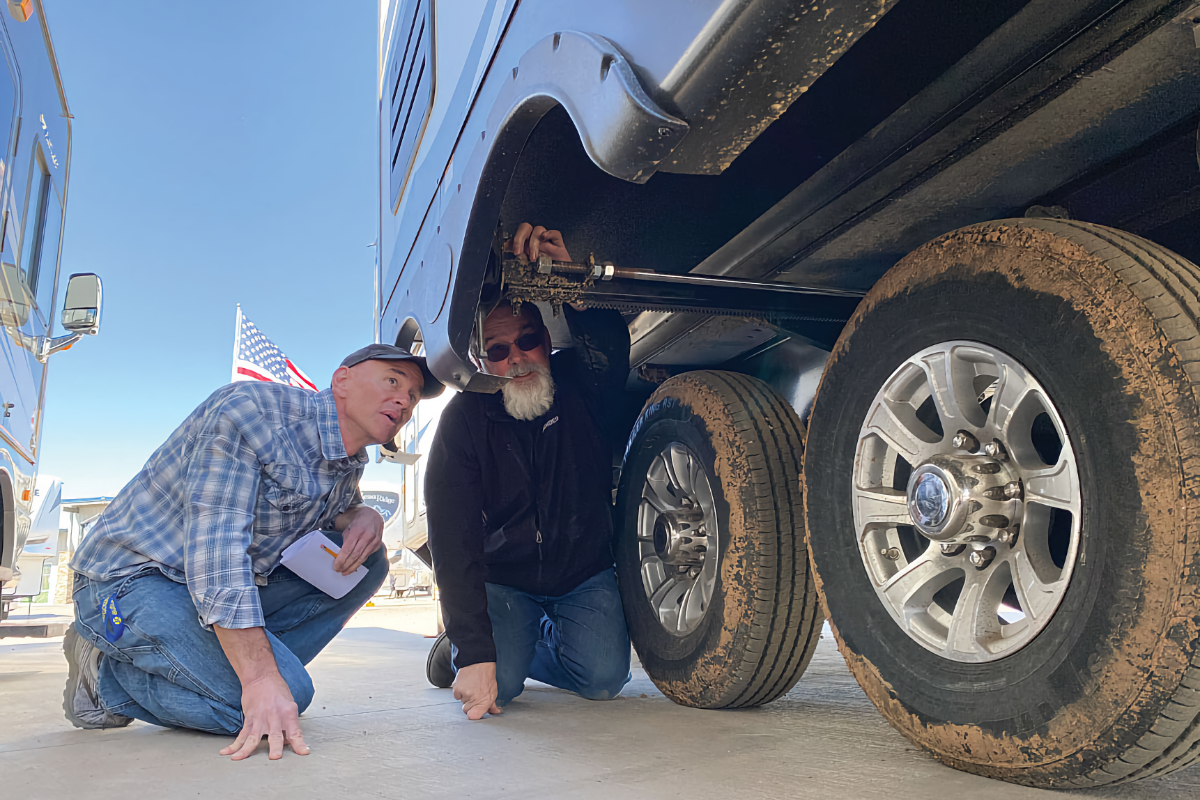
Photo Credit: James Adinaro
Keep Your RV Well Maintained
One of the best things you can do for the overall efficiency and health of your coach or tow vehicle is to provide routine maintenance on a schedule suggested by the manufacturer. That means getting oil changes, replacing dirty air filters, topping off fluids, and rotating the tires on a regular basis. Individually, each of those is a relatively minor undertaking, but together they can add up to improved fuel efficiency.
Regular engine tune-ups can also help keep your vehicle running at peak performance and extend its life by years. This has the added benefit of allowing owners to spot potential issues before they become major problems, saving you a lot of time and money in the process. Also, don’t forget to wash your motorhome, van, truck, and trailers on a regular basis, too. That provides a relatively minor boost to efficiency, but every little bit helps when looking to improve gas mileage.
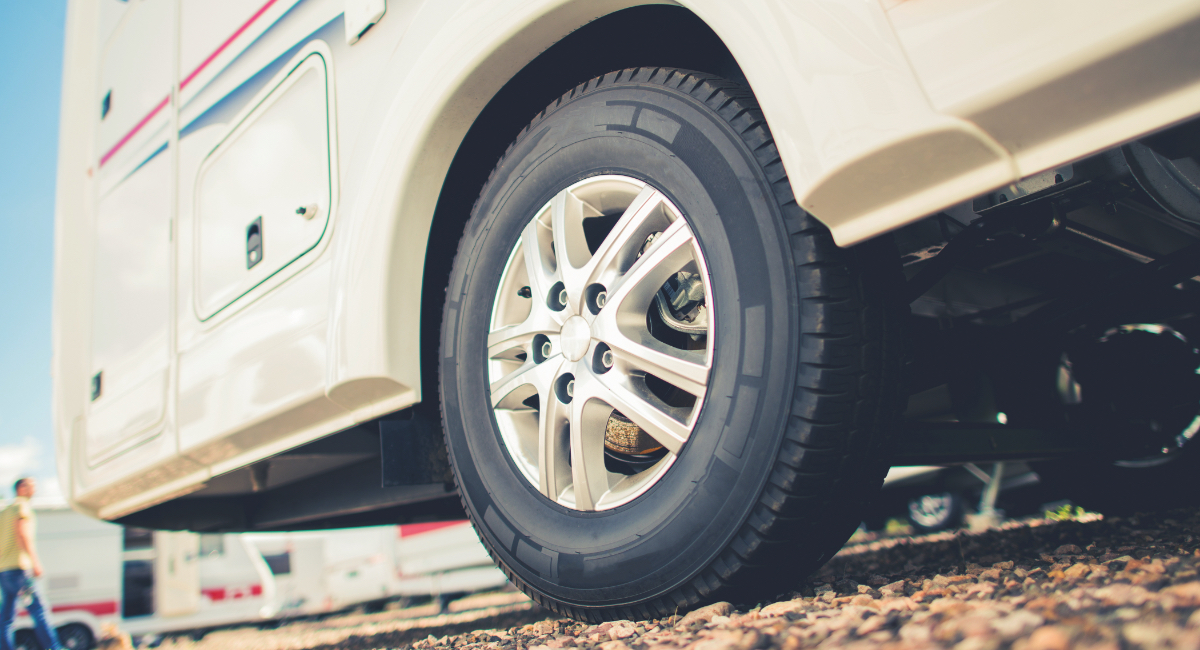
Photo Credit: Getty
Check Your Tire Pressure
Having your tires inflated to the proper level is a quick and easy way to ensure you’re getting maximum efficiency when driving. That includes not only the tires on your coach, van, or tow vehicle, but also any travel trailers, fifth-wheels, or dinghies attached to your rig. Most modern vehicles come with a tire pressure monitoring system, which makes it quick and easy to check current pressure levels. Aftermarket TPMS devices can be easily added to trailers to provide that same functionality.
Check all of your tires before hitting the road to make sure they’re within the recommended pressure levels as provided by the manufacturer. If not, be sure to raise or lower the PSI as needed. This not only helps improve fuel efficiency by as much as 3%, but also helps extend the life of the tires, too.
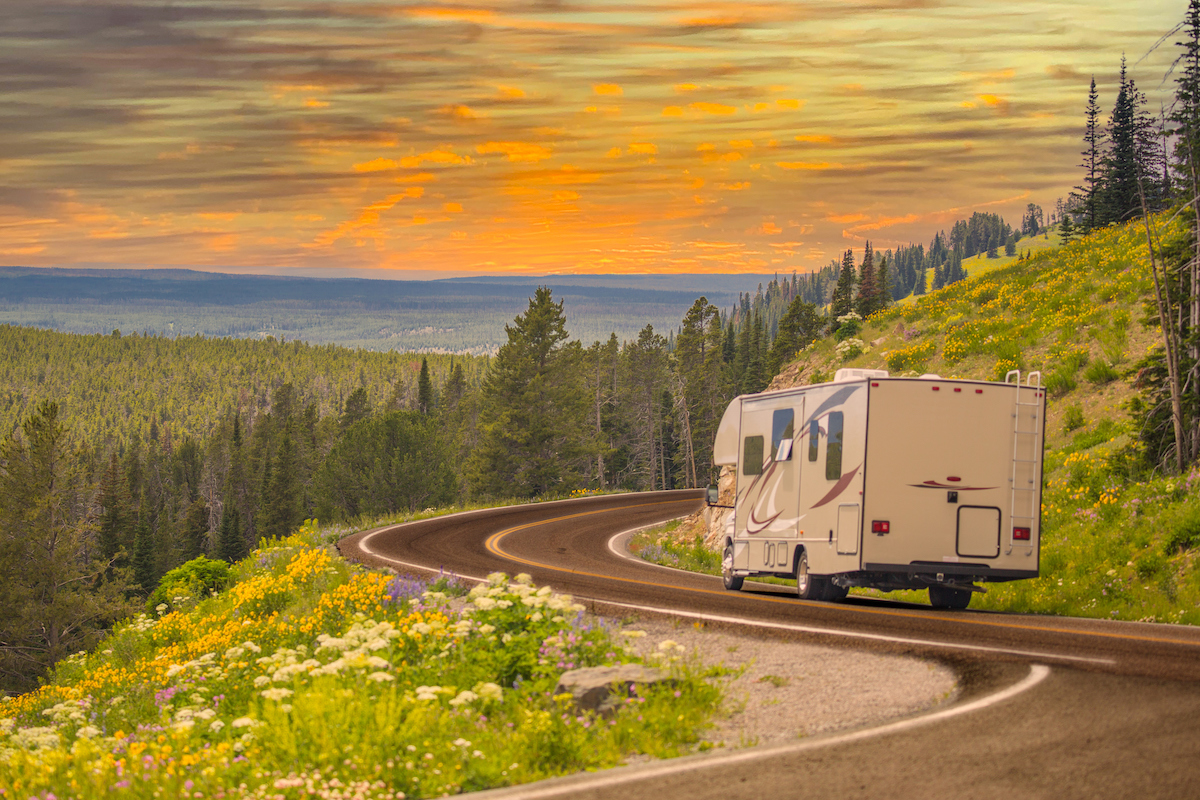
Image Courtesy of Feverpitched/Getty
Keep Weight to a Minimum
One of the best things about an RV trip is that it allows us to bring all of our favorite gear along with us when we hit the road. But packing your rig full adds a lot of extra weight, which in turn has a detrimental impact on fuel efficiency. Learning to pack light, and only bringing the clothes, equipment, and other items that you absolutely need, can help keep weight down. Additionally, consider purchasing food and other supplies closer to your destination rather than before setting out, as that can help cut weight, too. If heavy items like e-bikes, power stations, and other gear aren’t going to be used, they are just dead weight that impacts gas mileage. Reducing the overall weight of the RV will definitely pay dividends.

Photo Credit: insta_photos/Getty
Plan An Efficient Route
In an era when GPS navigation is baked into our smartphones, getting from one place to another has become incredibly easy. But those maps apps usually look for the fastest route available, as most drivers just want to reach their destination as quickly as possible without worrying about fuel efficiency. That means if your goal is to improve your RV’s fuel efficiency, the route selected by your mobile device may not be the best option. Take a close look at alternate routes, which may take longer to complete but offer slower driving speeds, flatter roads, and less traffic, all of which can help improve gas mileage.
Additionally, if you’re embarking on a trip that includes multiple destinations and campsites, review the entire route before setting out. Look for ways that you can minimize backtracking, which reduces efficiency and may burn more fuel than is necessary. Pay attention to weather conditions, too, as strong winds can impact gas mileage. You may even want to consider spending more time at fewer locations, reducing your overall travel as a way to save on fuel costs.
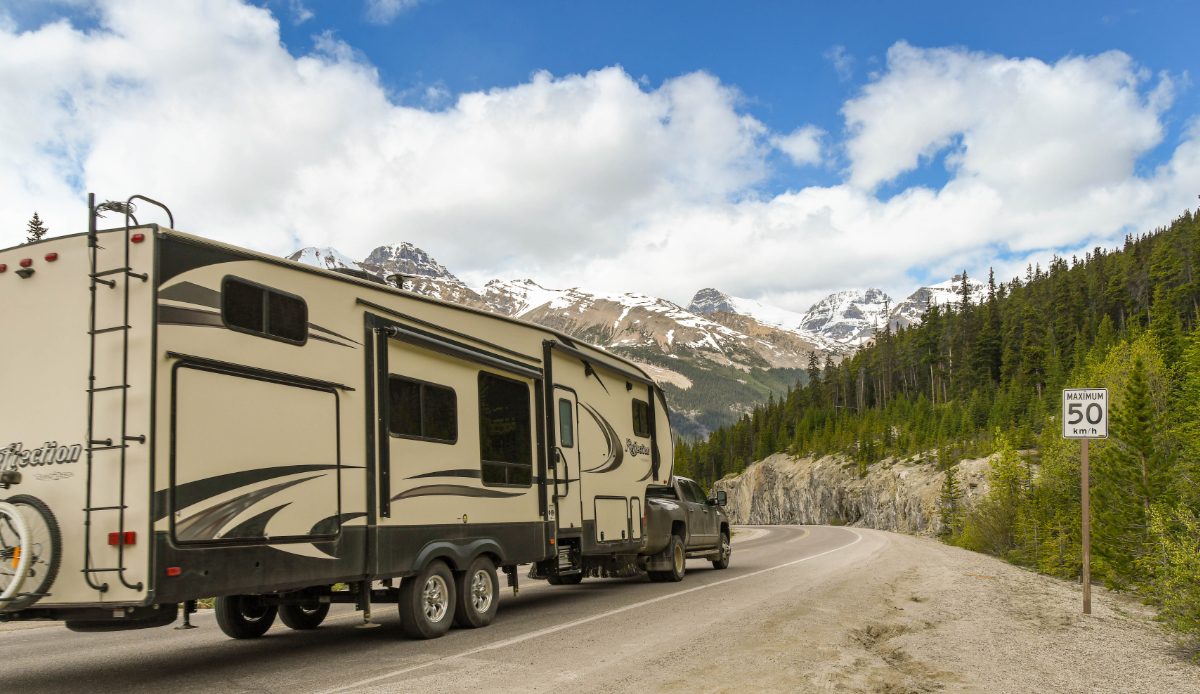
Photo Credit: Ceri Breeze/Getty
Adjust Your Driving Style
Perhaps the best tip we can give on how to improve RV gas mileage is to adjust the way you drive. Avoiding hard accelerations, keeping a steady pace, adhering to the speed limit, and limiting stops and starts are all ways to improve fuel efficiency. Utilizing your vehicle’s cruise control, especially modern adaptive cruise control systems, is a good way to keep a consistent speed for extended periods, which uses less fuel in the process. And should you find yourself idling for an extended period, it’s okay to turn off the engine until you’re ready to resume your journey. Letting the motor run while you sit in a traffic jam or waiting for a long train to pass just burns gas unnecessarily. Conserve fuel wherever and whenever you can, and it will allow you to go further on a single tank of gas.
These are a few of the options you have for how to improve RV gas mileage. Adopting any of these suggestions will help in some small way, but adhering to all of the suggestions can have a significant impact on fuel efficiency. That’s something we can all appreciate on any road trip, but especially when driving a motorhome or towing a travel trailer or fifth-wheel.

Kraig Becker is a writer in the RV, outdoors, and adventure travel space. Over the course of his career he has contributed to such outlets as Popular Mechanics, Outside Online, Business Insider, TripSavvy, Digital Trends, GearJunkie, The Adventure Blog, and countless others. An avid runner and cyclist, he enjoys camping, hiking, mountain biking, kayaking, and just about any other outdoor activity. His travels have taken him to seven continents and on many amazing adventures.