Head of the Class: The Rise of the Class C RV
Discover why these coaches have become increasingly popular in recent years.
Image Caption: Photo Credit: Winnebago
The numbers don’t lie. Over the past 40 years, even as the RV industry has grown overall, sales of motorized RVs have fallen. Consider: In 1984, 38 percent of all new RV sales were motorhomes, while 62 percent were travel trailers or fifth-wheels. By 2024, towables accounted for 90 percent. (All this, according to data from the Recreational Vehicle Industry Association [RVIA].)
But there’s a trend within the trend. Class C vehicles—bigger than camper vans (Class B), smaller than large motorhomes (Class A)—have held their own. Actually, they’re on the rise, according to Monika Geraci, senior director of public relations and communications for RVIA. She notes the percentage of Class Cs being sold has steadily risen over the past 15 years. In 2011, Class Cs accounted for about 4 percent of all new RV shipments; in 2025 they’d risen to 6 percent. Over the same period, Class A motorhomes fell from 5 to 2 percent.
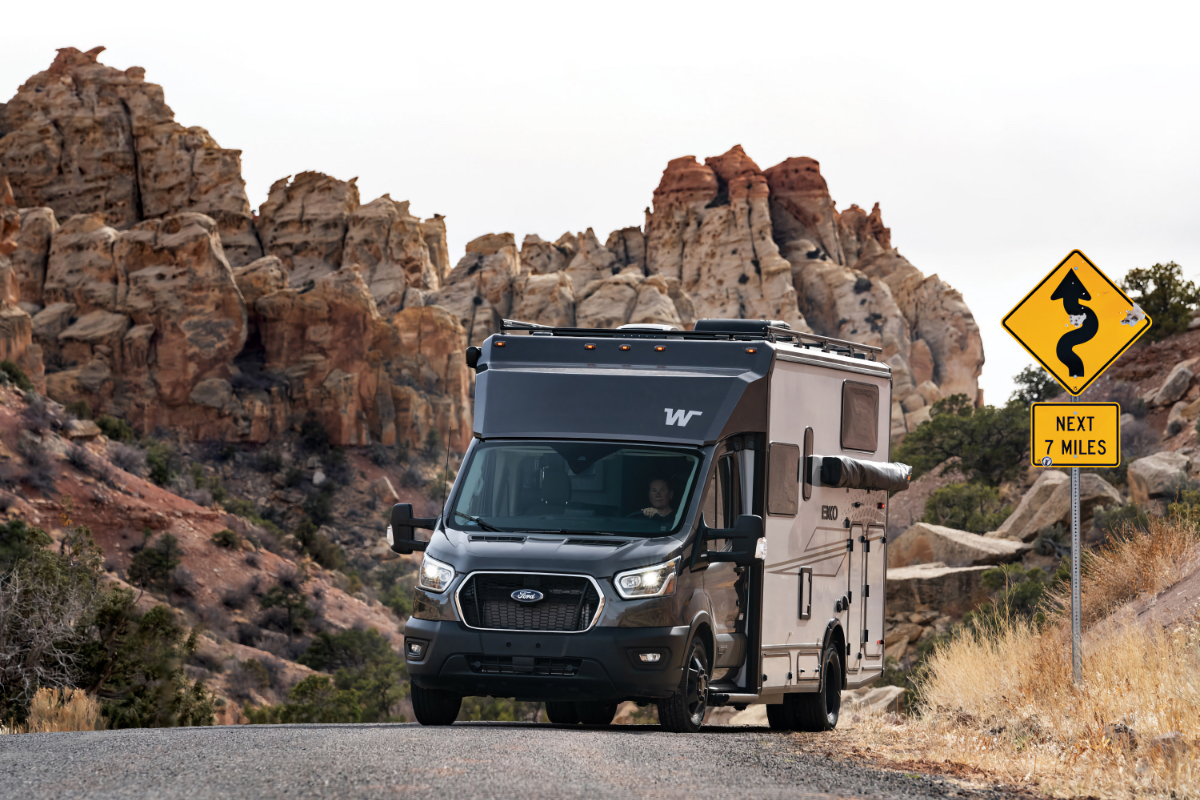
Photo Credit: Winnebago
Anthony Kenkel, Camping World’s national inventory director for RV sales, is tracking a similar trend. According to his data, if you strip out towables, Class Cs made up 42 percent of motorhome sales in 2015; by 2025, that number had risen to 60 percent.
So, in a landscape where travel trailers dominate, why do Class C motorhomes have an enduring appeal? From affordability to new technology and shifting travel preferences, we asked industry veterans to get a better understanding of what—and who—is driving the Class C boom.
One reason Class C has remained attractive: these vehicles are relatively economical. Class A rigs, which rely on large gas- or diesel-powered chassis, are the most expensive RVs out there. But even many new camper vans—despite being smaller—carry higher sticker prices than their Class C counterparts. Rigs like the Winnebago Sunflyer, which debuted this year, are marketed toward budget-conscious consumers who don’t want to drive or tow an enormous vehicle. Large enough to feature a degree of luxury, like roomy dinettes and sleeping areas, without creating an intimidating driving experience, Class Cs strike at the middle ground.
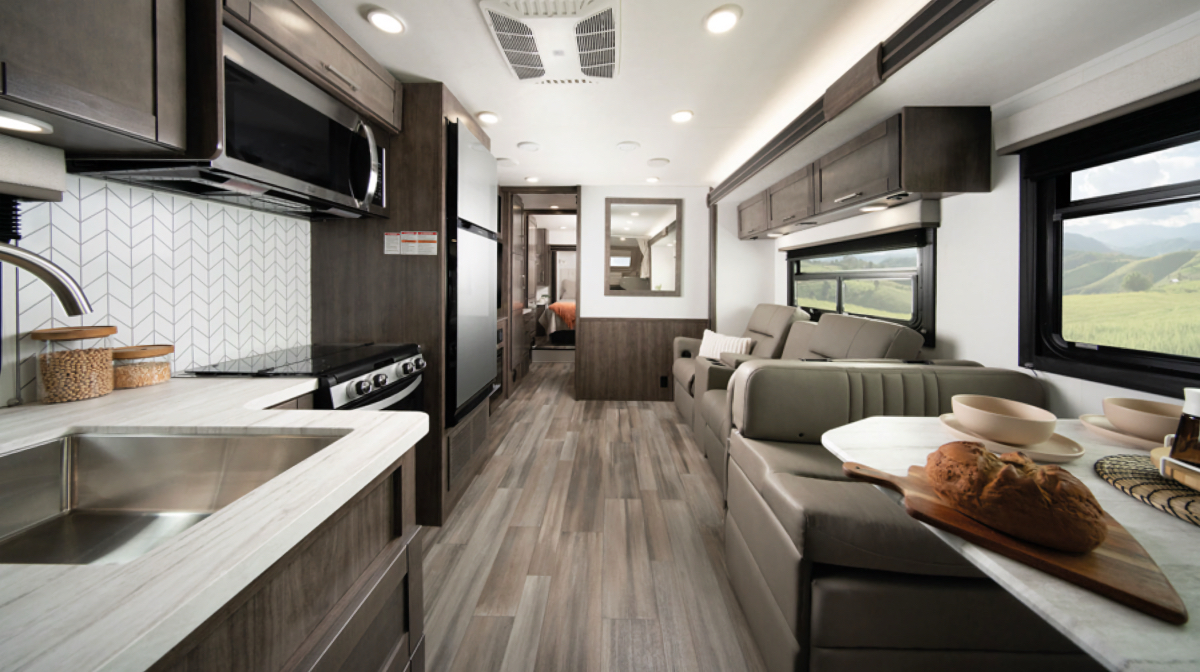
Photo Credit: Entegra Coach
“Consumers are looking for something that is easily maneuverable, easy to get to activities and locations they’re interested in, but that also has enough space,” says Stefanie Whittington, a senior product manager at Winnebago. “You get a lot of functional capabilities, it creates an element of flexibility.”
Kenkel notes that when he first got into the RV industry more than a decade ago, it was hard to find a motorhome with all-wheel-drive or four-wheel-drive capabilities. “Now, there are a lot of options,” he says.
As chassis manufacturers like Ford and Mercedes rolled out all-wheel-drive models, consumer habits shifted in favor of smaller rigs with drivetrains that could take them to remote places. Those include the Winnebago EKKO, designed for off-grid adventure, as well as rigs like the Entegra Odyssey and the Granite Ridge from Jayco. At the same time, Class A chassis became more expensive to produce, delivering smaller margins for manufacturers and higher costs for customers.
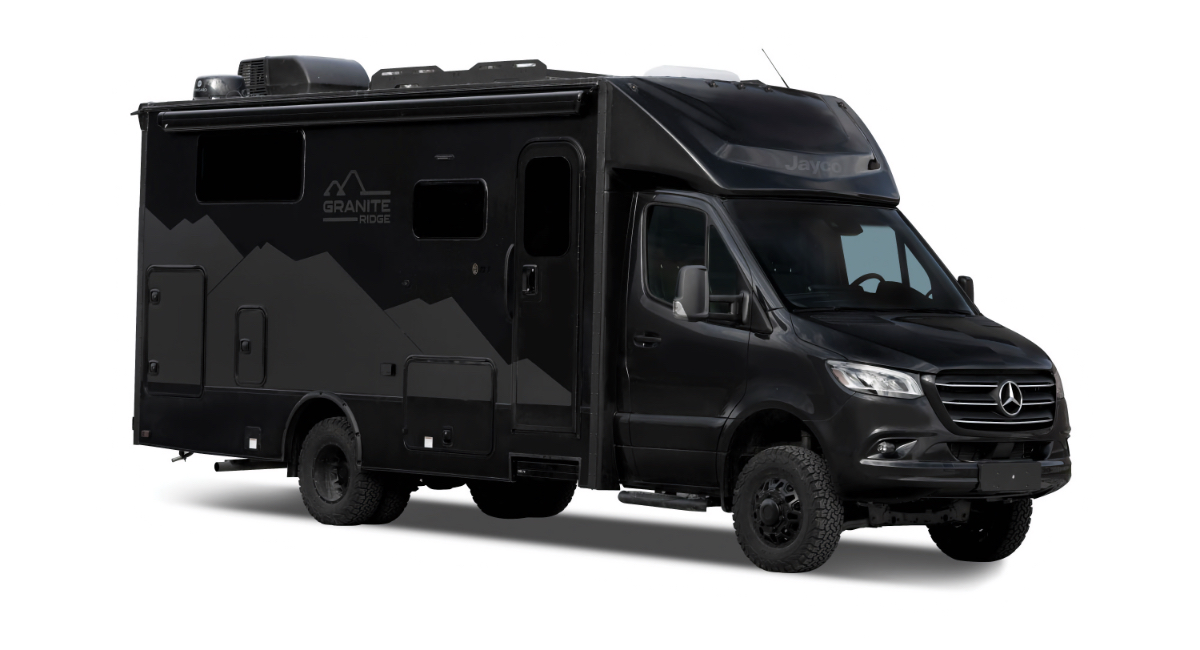
Photo Credit: Jayco
Cory Weatherton, product development director at Jayco, notes that the past decade saw significant evolution. “There are so many Class C chassis options available to the consumer,” he says. “There are a lot more offerings than what you’ll find in Class A right now.”
The archetypal RVer has also changed in recent years. Especially in the wake of the COVID-19 pandemic, a new generation of travelers hit the road—and they have distinct visions for what life out there might look like. According to RVIA data, the median age of an RVer has dropped from 53 to 49 over the past five years. As the traveling population skews younger, new RVers are attracted to rigs that can explore more places and support an off-grid lifestyle.
“You see a consumer mentality of ‘what if?’” Whittington says. “What if I want to go camping in the winter? What if I want to go down a Forest Service road? There’s this anticipation of the activities that a consumer could do.”
And even if that consumer is still most likely to cruise highways and plug into shore power, the potential to pursue adventure is animating, especially in an era with ubiquitous remote work. “It all comes down to how people envision that digital-nomad life,” Weatherton says. “Most people dream about going out into the middle of nowhere from time to time and getting sanity back. Class Cs are the sweet spot.”
This article originally appeared in Wildsam magazine. For more Wildsam content, sign up for our newsletter.