Ask an Expert: Another RV Battery Question and New EPA Diesel Exhaust Guidelines
Handy tips and information from our resident RV expert.
Image Caption:
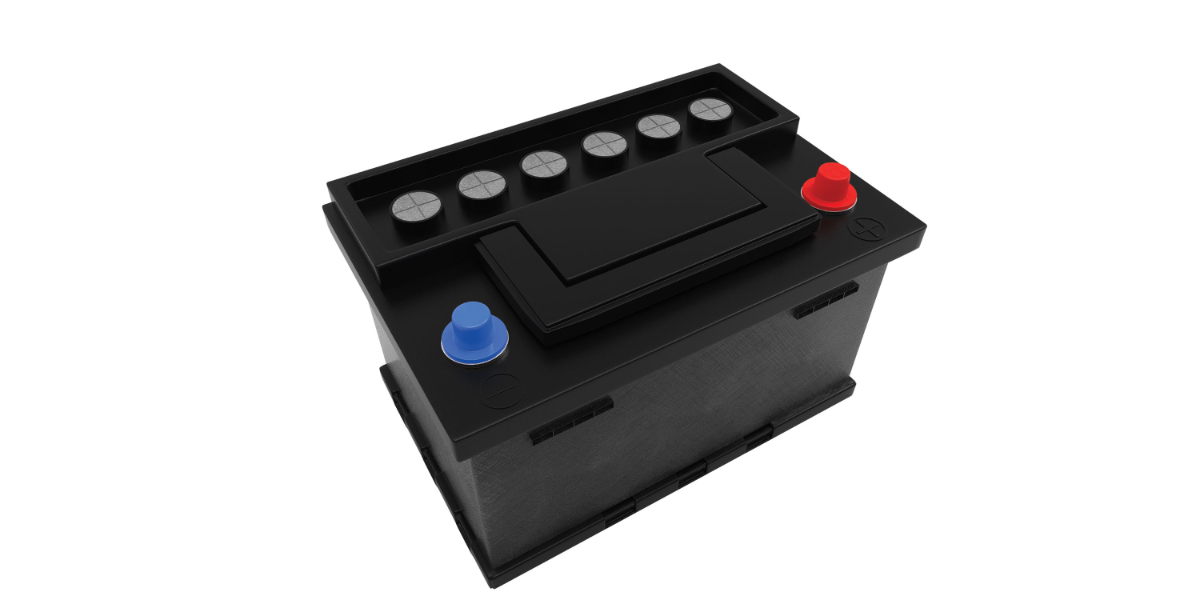
Photo Credit: Getty
Q: I have an RV battery question related to our Geo Pro FBS20 travel trailer. We took the trailer to Ely, Nevada, in late April and had two days of snow, but since we had full hookups, we had plenty of power to activate the freshwater tank heater. Two days later, we went off-grid at Great Basin National Park, where the nighttime temperatures dipped into the 20s. Our two lead-acid flooded group 24 batteries quickly dropped to 50 percent power remaining early in the night, which surprised me because we were only using the refrigerator and propane furnace (we were using lanterns for lighting to conserve 24 battery power). I hooked the trailer’s power line to the car and ran our car for about 15 minutes to recharge the battery.
Once, when the trailer was covered and I did not use the power kill switch, the trailer’s idiot lights showed the batteries dropped to/or below a 25 percent charge. Our batteries are 18 months old, so I don’t mind replacing them. If I need to replace them, I would like to go with the LiFePO4 batteries. But I think the LiFePO4 battery may also be challenged in colder weather. I would like to have at least 200Ah (like our current group 24 batteries). I am seeing some cheap deals online, as low as $250 per LiFePO4 battery, but these do not have a built-in heater. Is it worth it to pay $580-900 for a 200Ah battery with a built-in heater such as the one from Renology or Li Time, or should I just buy two new flooded lead-acid batteries for $200?
—Robert Sigal, San Diego, CA
A: You live in one of the mildest climates in the entire country, and for most of your use you should be fine with your existing batteries. They should last for several more years. Your practice of avoiding draining below half charge should help them last. The fact that they were drained once to 25 percent charge shouldn’t ruin them. For peace of mind, you can take them to most auto parts stores, where they will load-test them and let you know their condition for free.
Ely and the surrounding area is at high altitude and very cold much of the year, atypical of your normal operating conditions. Therefore I wouldn’t convert to expensive lithium batteries with heaters unless you plan to start visiting cold areas frequently.
Your forced-air furnace actually draws a lot of current because of the electric blower motor. Some folks supplement their heat when off-grid with compact catalytic heaters, which run off a propane bottle without electricity. Just make sure you have sufficient ventilation.
Group 24 batteries are the smaller cousin of the bigger group 27 batteries. When it comes time for replacement, consider switching to these, if there is room, or even to a pair of 6-volt golf cart batteries. For the few times you are off-grid, you might also consider getting a compact portable inverter-type generator. If you start to camp off-grid more extensively, you should then consider switching to lithium batteries. The ones with heaters are nice, but you probably don’t need them where you live.
Photo Credit: Diesel Modules
EPA Issues New Guidelines for Diesel Exhaust Fluid Systems
The federal Environmental Protection Agency (EPA) recently announced it is allowing manufacturers to revise their Diesel Exhaust Fluid (DEF) systems. Up until now, with these systems, used on highway diesel engines since about 2011, the EPA required engines to have a strict strategy to prevent regular vehicle operation without sufficient DEF, which would severely limit engine power. This did not allow some drivers enough time to find a DEF supply in rural areas.
Many motorhome owners suffered when a large batch of DEF in-tank sensors were faulty, leading to many vehicles having to be towed. Some were stranded, as there was a nationwide shortage of replacement sensors. The new guidelines allow a much longer time and distance, phased in via three intervals. The first two intervals will have minor cuts. The third interval begins after 8,400 miles or 160 engine hours and limits speed to 25 mph. In model year 2027 and newer engines, the EPA issued new emissions standards with more lenient strategies similar to the above guidelines.
This article originally appeared in Wildsam magazine. For more Wildsam content, sign up for our newsletter.