How Does RV Liability Insurance Work Exactly?
Understanding what is and isn't covered provides peace of mind when traveling.
Image Caption: Photo Credit: Cavan Images/Getty
When you purchase an RV, it’s because you want to go on adventures. The what-ifs floating through your mind are most likely of the fun variety. You’re thinking about where you might go next, not what might go wrong. But accidents do happen and you want to be prepared as best you can. There’s one type of RV coverage that’s required by law in nearly every state when you own a motorhome, and that’s RV liability insurance. You’ll need an RV insurance policy with at least your state’s minimum liability coverage before you take the wheel of your RV. Let’s go over what this type of insurance is and how it works so you can get covered and be on your way to the open road feeling protected.
Photo Credit: Progressive Insurance
RV liability coverage can pay for damages and injuries you’re responsible for while driving your motorhome. It covers two main types of damage: bodily injury and property damage. Bodily injury liability pays for medical expenses, lost wages, and legal fees incurred by others resulting from an accident you cause. Say, for instance, you hit another car and injure the driver. That may be covered under bodily injury liability. Property damage liability covers damage to vehicles, objects, and other personal property that you’re responsible for. It pays for repairs or replacements. So, say you lose control of your RV and hit a parked car. That could be covered under property damage liability.
Your policy will list the limits that tell you the maximum amount of damage the policy will cover. For example, if your liability coverage limits are 20/40/20, that means your RV insurer may cover up to $20,000 for bodily injury per person, up to $40,000 for bodily injury per accident, and up to $20,000 for property damage per accident.
There may be other options that better suit your needs than basic liability coverage. For example, if your RV is your permanent residence, meaning you live in it for more than six months of the year, you should consider a full-time RV insurance policy. In addition to the typical coverages on an RV policy, a full timer’s policy can protect you, up to a specified limit, if you’re liable for injuries in and around your RV.
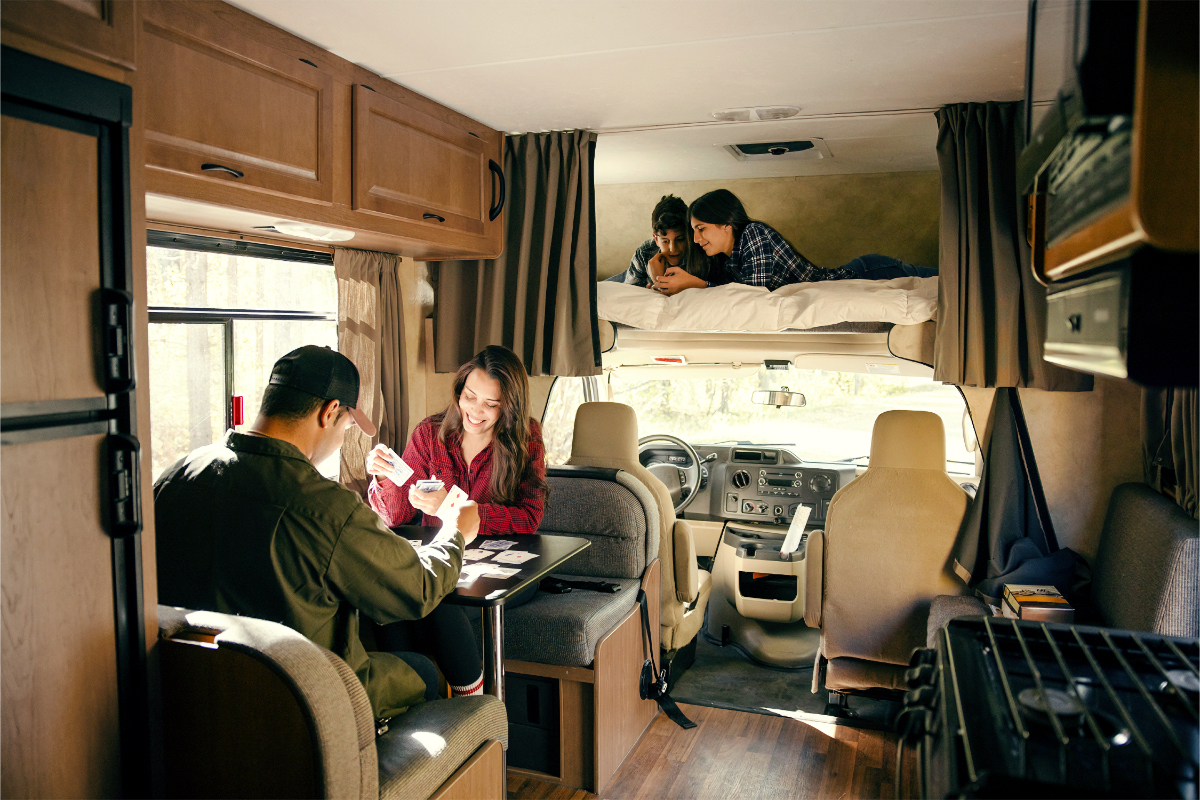
Photo Credit: Progressive Insurance
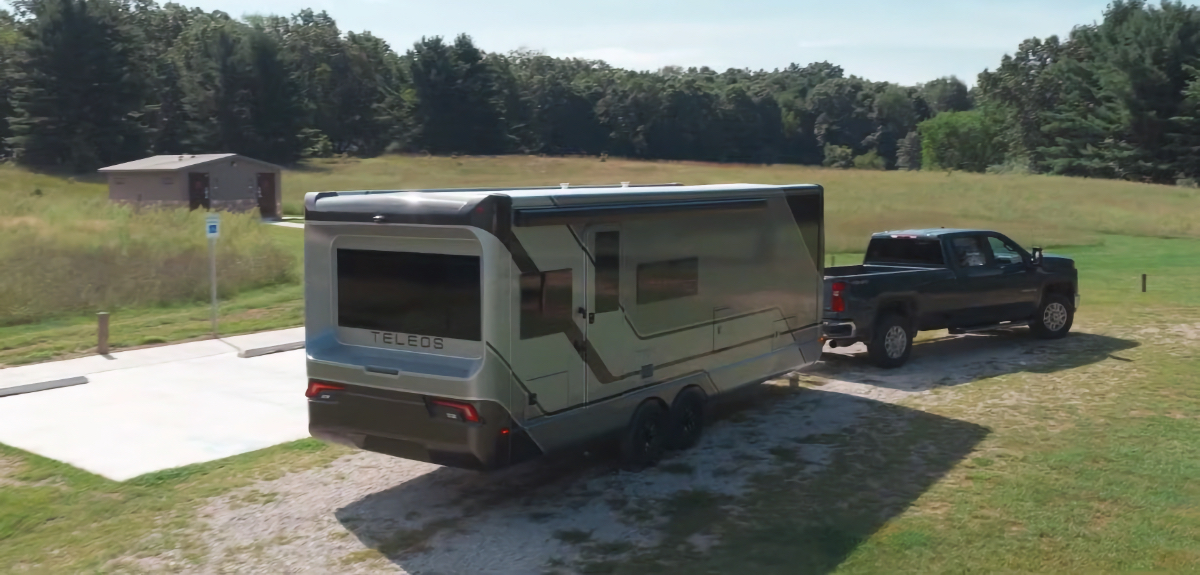
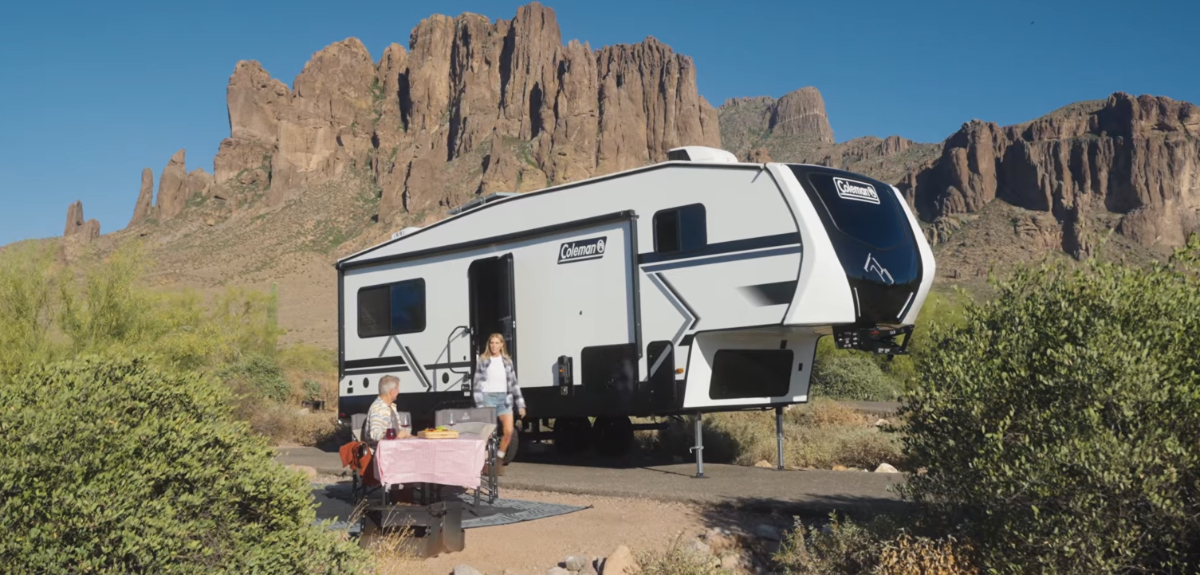
For towables (travel trailers, fifth wheels, and pop-ups), you won’t need to purchase RV liability insurance because you will be covered by the tow vehicle’s policy. That said, you may still want coverage for theft, weather damage, and campground liability scenarios (look into vacation RV liability coverage for that one).
With RV liability insurance, understanding what it doesn’t cover is as important as knowing what it does. You don’t want any unpleasant surprises following an accident. Here’s some of what this type of coverage does not apply to:
- Damage to your own RV: You’ll want comprehensive and collision coverage for that.
- Your injuries: Your state and policy will be factors here, but this may be addressed by medical payments coverage or personal injury protection (if included).
- Your personal belongings inside your RV: This is usually handled by another option such as RV contents insurance.
- Business use: If you use your RV for business purposes, you may need a different policy structure.
- Intentional acts: Policies typically don’t cover intentional damage or illegal conduct.

Photo Credit: Progressive Insurance
Whether you’re new to RVing, upgrading to a larger rig, or trying to make sure your policy matches how you travel, knowing the ins and outs of RV liability insurance is useful. Now that you have a basic understanding of this type of coverage, you’re ready to get the right coverage and hit the road!
Learn more about Progressive and its range of RV insurance options at progressive.com.
Disclaimer: Progressive Casualty Ins. Co. & affiliates.
The above is meant as general information to help you understand the different aspects of insurance. Coverages and other features vary between insurers, vary by state, and are not available in all states. Whether an accident or other loss is covered is subject to the terms and conditions of the actual insurance policy or policies involved in the claim.

RV.com Staff
RV.com is the premier news and information site for traveling on the open road.