Why You Should Have a Dash Cam in Your RV
Added safety and security on the road, at home, and at the campsite.
Image Caption: Photo Credit: welcomia/Getty
Dash cams have become a common accessory in many vehicles these days, to the point where some manufacturers now include them straight from the factory. But these handy little electronic devices can be extremely valuable for RV owners, too, enhancing safety and security wherever you wander. Here’s why you should consider adding a dash cam to your RV.
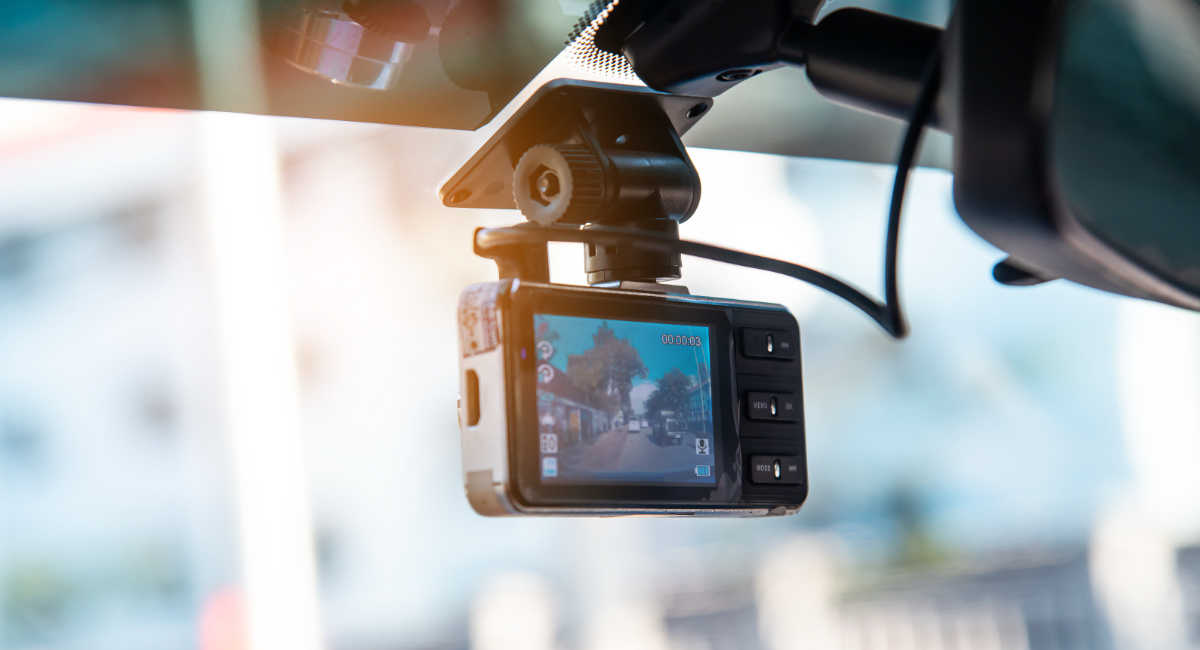
Photo Credit: photobyphotoboy/Getty
What is a Dash Cam?
As the name implies, a dash cam is a video camera that sits on your vehicle’s dashboard, recording the view out the windshield while driving down the road or even while parked. These devices typically have a wide field of view, allowing them to capture everything that is happening in front of the vehicle. Video and photos are stored locally on a memory card or other types of flash storage, although some models may back up the content by uploading it to the cloud.
A dash cam can be extremely helpful should an accident occur. The video footage often shows what was taking place on the road before, during, and immediately after the accident, even if the vehicle with the camera isn’t directly involved or part of the accident. This is a big reason why these devices have skyrocketed in popularity in recent years.
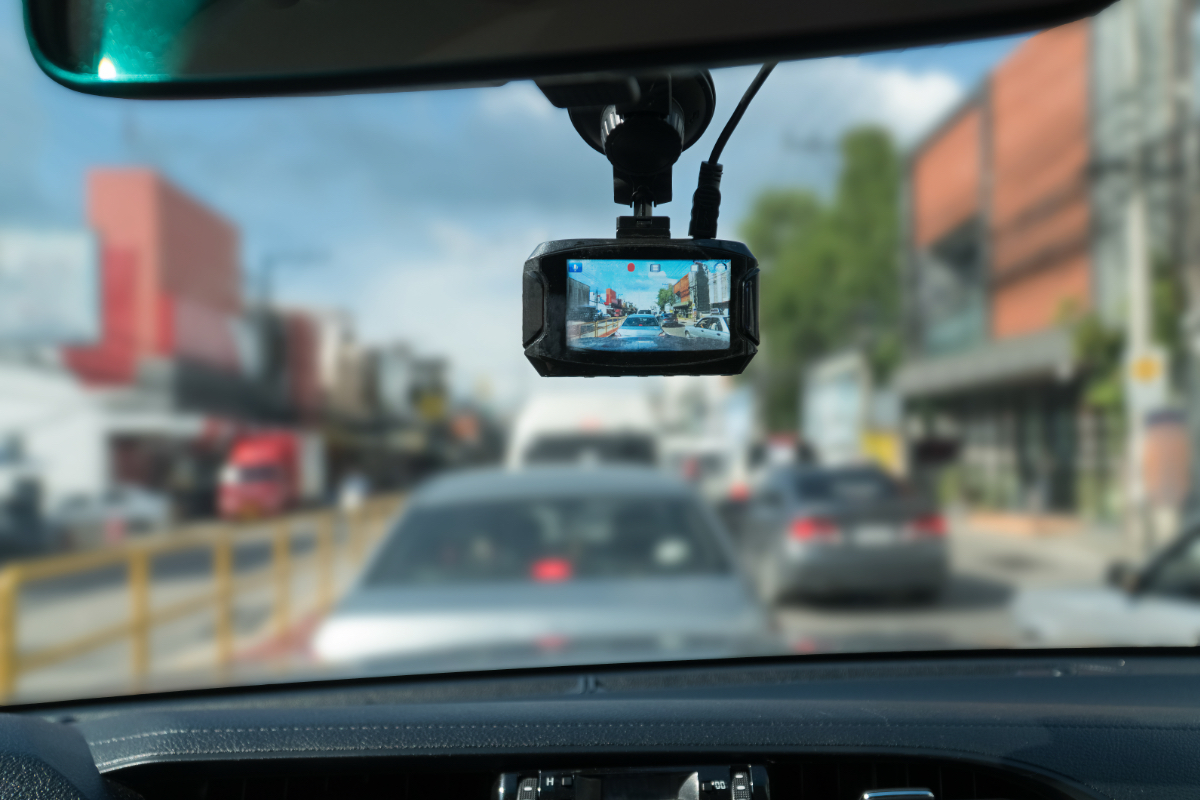
Photo Credit: Toa55/Getty
Why You Should Add a Dash Cam to Your RV
There are a number of reasons why adding a dash cam to your RV—or any other vehicle for that matter—makes a lot of sense. Most notably, as mentioned above, the video footage can prove invaluable in showing the conditions leading up to an accident and determining who is at fault. Insurance companies are usually very open to reviewing the captured footage, which helps settle claims more quickly and equitably.
Should a disagreement arise over who is at fault, the dash cam video can quickly and easily be shared with law enforcement to help settle any disputes. The footage can even be submitted as evidence in a court of law should that be necessary. In other words, a dashboard camera can play a crucial role in determining guilt or innocence, either for you or an accident you might witness.
Not all accidents end with the drivers amicably exchanging insurance policies and contact info. Hit-and-run accidents are also far too common, with one vehicle—usually the one at fault—fleeing the scene. A dash cam will record the incident and is also likely to capture the license plate number of the person fleeing. This can help law enforcement track down the culprits and potentially have their insurance cover the damage.
But a dash cam can prove useful even when you aren’t driving your vehicle. Many of these devices have a “Parking Mode,” which puts the camera to sleep, but will automatically activate it if motion or an impact is detected. This can prove useful should your RV be hit while it is parked or someone tries to vandalize it at the campground. Some dash cam systems even include additional cameras that can be networked together for a full 360º view around the vehicle.
Finally, in many cases, the mere presence of a dash cam can serve as a deterrent. If someone spots the camera, they are far less likely to try to vandalize your vehicle or dispute an accident claim. As an added bonus, the footage can also be used to watch interesting things you might see along the road, like a unique car, wildlife, scenic drives, or other encounters.
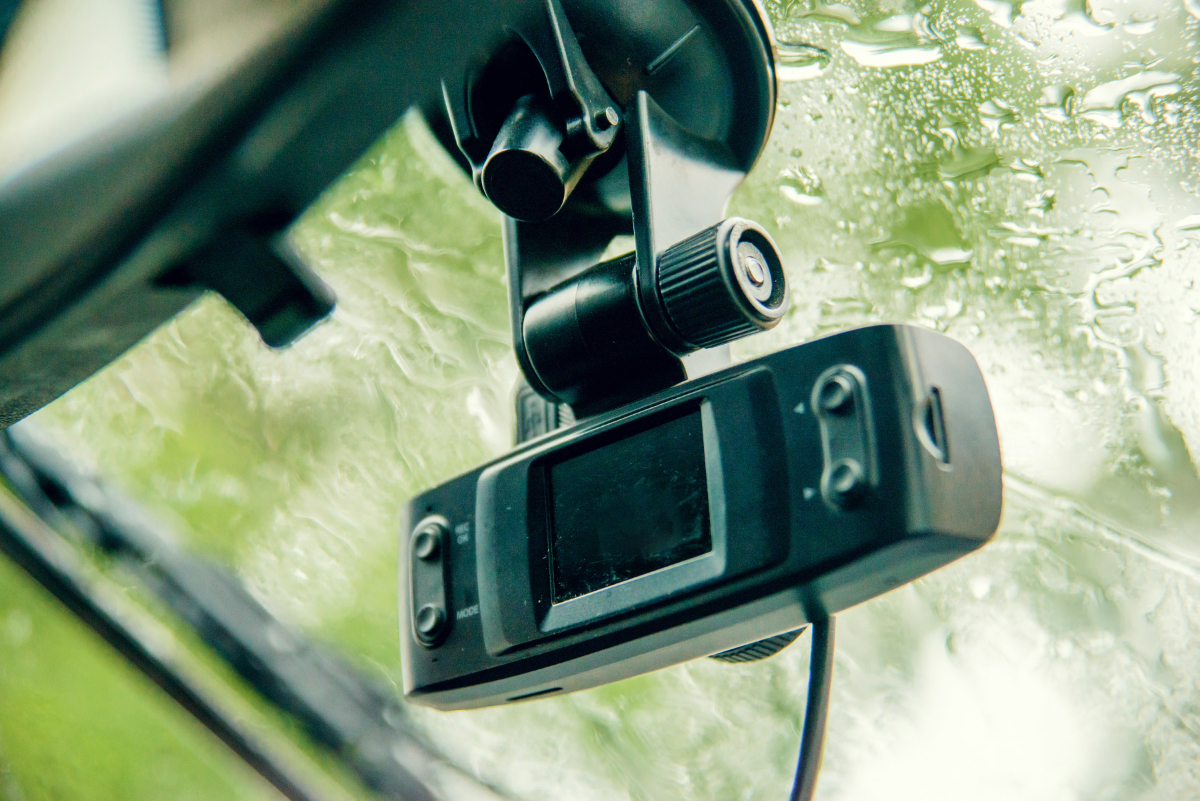
Photo Credit: Malykalexa
What to Look for in a Dash Cam
If you’re shopping for a dash cam of your own, here are a few features, specs, and functional to keep in mind when buying:
Camera Resolution
A camera’s resolution is an indication of how clear the images that it records will be, with higher resolutions resulting in better video. If you’re shopping for a model of your own, look for a camera that captures 1080p or 4K resolutions, as those will result in much better image quality.
Frame Rate
A video camera’s frame rate is an indication of how many images it shoots per second, with high numbers typically resulting in smoother, more detailed footage. When shopping for a dash cam, look for something that shoots video at 30 fps or higher. This will reduce the amount of flicker in the video and provide a much smoother clip, which can prove invaluable when looking for small, hard-to-see details.
Field of View
A camera’s field of view is an indication of how wide of a shot it can take when capturing images or video. Most dash cams offer a FOV between of about 120º, which is enough to capture everything taking place in front of the vehicle. Some will stretch the FOV out as far as 180º, which covers more area but can often result in some distortion and a reduction in overall resolution.
Night Vision
The performance level for many cameras can drop off dramatically in low light conditions, so having a dash cam with a night vision mode can be helpful. These models utilize different technologies—like infrared lighting—to enable better performance after dark, making them more useful at all times of the day.

Photo Credit: Kordian Chodorowski/Getty
Audio Recording
Not all dash cams record sound, as a microphone inside the vehicle can lead to muffled audio from outside that isn’t always useful. But there are times when being able to hear what is happening in the immediate vicinity can be beneficial. Having audio to record conversations and other noises can be a plus when sorting out an accident.
Storage Capacity
Most dash cameras come with a memory card for storing video footage, but those storage options are usually quite small. An 8GB card is usually only good for a few hours of video, depending on the resolution and frame rate. Upgrading to a larger card—say 32GB or 64GB—will provide more capacity and give you more flexibility on longer drives. That said, you generally don’t have to worry about running out of storage space, as the camera will automatically overwrite older videos to free up space. Having more storage does provide more time before the overwriting takes place, however, which can come in handy should you forget to pull the card out following an accident or other incident.
The bottom line is, more storage capacity affords you more flexibility in how long the video is stored and saved for later. That said, many cameras will also let you tag a video to save it indefinitely, preventing it from being overwritten.
Impact Sensors
As mentioned above, some dash cams come with built-in sensors that activate the camera when an impact or other movement is detected. This comes in handy should your vehicle be hit while it’s parked, as the device will automatically record what is happening, even if you’re not around. When looking at the specs of a specific model, this feature is usually labeled as an “impact sensor” or a “gravity sensor.”
Single Camera vs. Multi-Camera Support
The vast majority of dash cams are simple affairs, with a single forward-facing camera that sits on the dash and records what’s happening out the windshield. But some systems support multiple cameras, allowing owners to add a second—or even a third—recording device. This can be especially useful for RVers, allowing them to monitor both the front and back of their rigs while on the road and at the campsite. These systems obviously cost a little more, but are a good investment for keeping your vehicle safe.
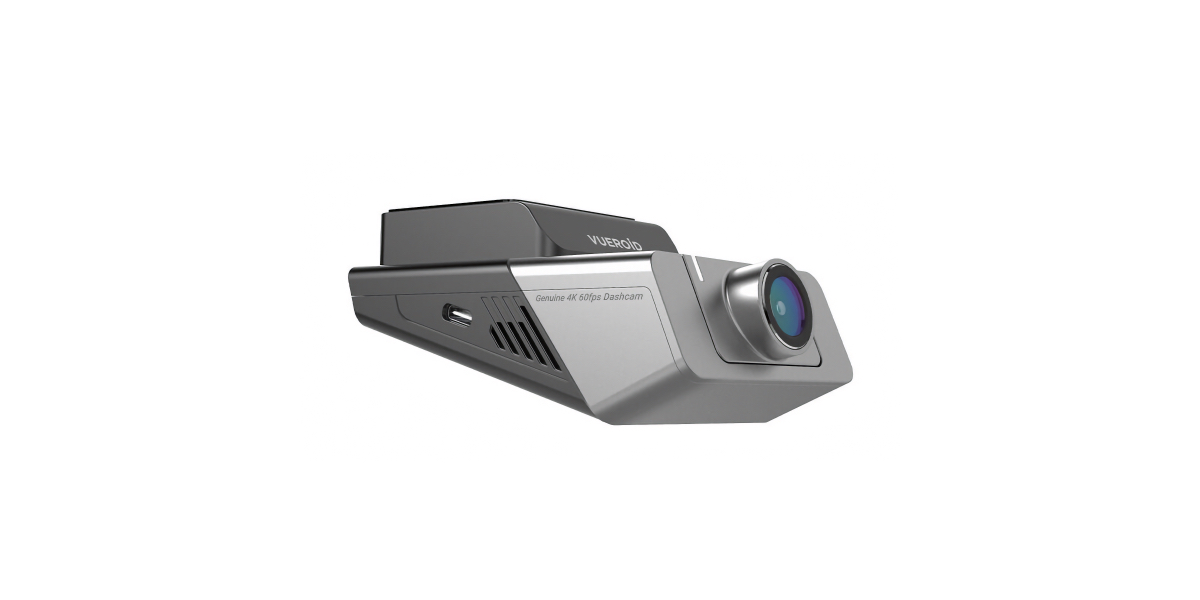
Photo Credit: Vueroid
RV Dash Cam Recommendations
There are literally dozens of dash cam models to choose from at various price points, specifications, and capabilities. But these are a few that we recommend:
Vueroid S1 4K Infinte
This model shoots at 4k resolutions at a frame rate of 60 fps with a 151º FOV. It also comes with built-in GPS tagging and WiFi for reviewing the footage, and it has three-channel operation for adding two additional cameras, which are included in the box. $373.99 at Camping World.
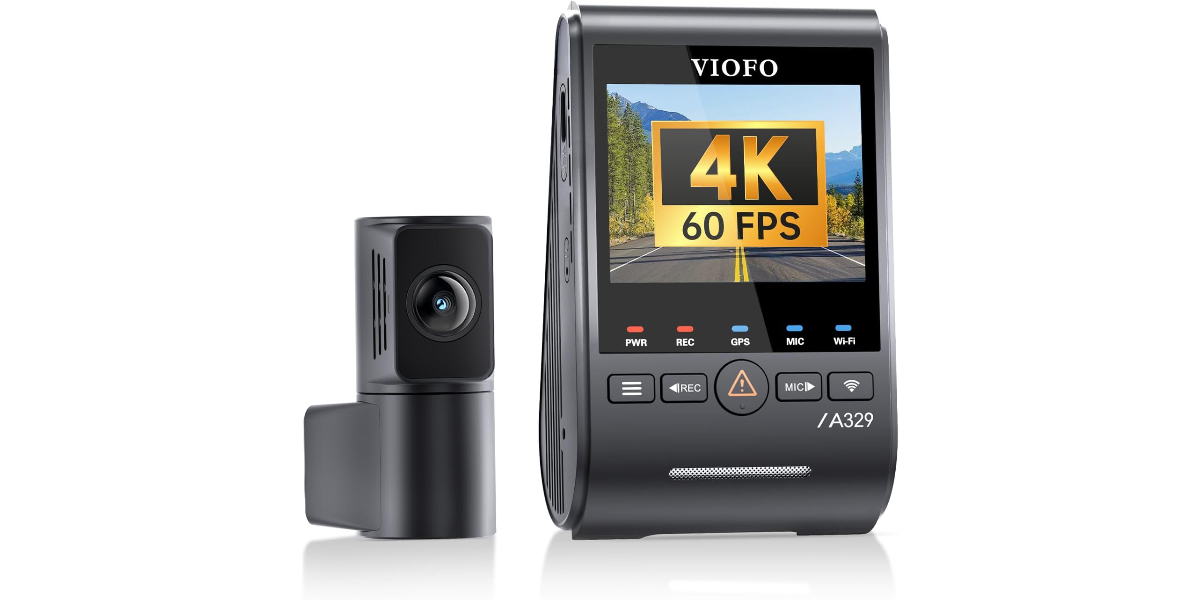
Photo Credit: Viofo
Viofo A329S
This top-notch dash cam has a ton of great features, including 4K video, impact detection, support for up to 4TB of storage, and automatic license plate capture. It even comes with two cameras for recording both front and back. $400 at Amazon.
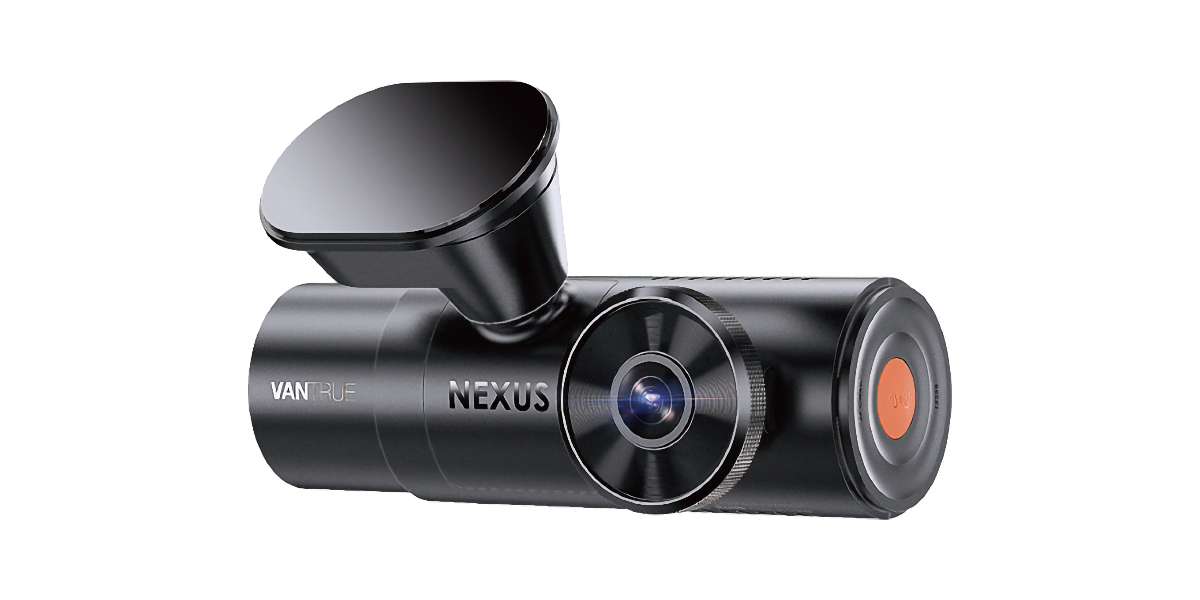
Photo Credit: Vantrue
Vantrue N5S
With a 2.7k resolution, built-in night vision, parking mode, and support for up to 1TB of storage, this dash cam has all your bases covered. But it also supports up to four cameras, giving your rig 360º protection. $400 at Amazon.

Kraig Becker is a writer in the RV, outdoors, and adventure travel space. Over the course of his career he has contributed to such outlets as Popular Mechanics, Outside Online, Business Insider, TripSavvy, Digital Trends, GearJunkie, The Adventure Blog, and countless others. An avid runner and cyclist, he enjoys camping, hiking, mountain biking, kayaking, and just about any other outdoor activity. His travels have taken him to seven continents and on many amazing adventures.